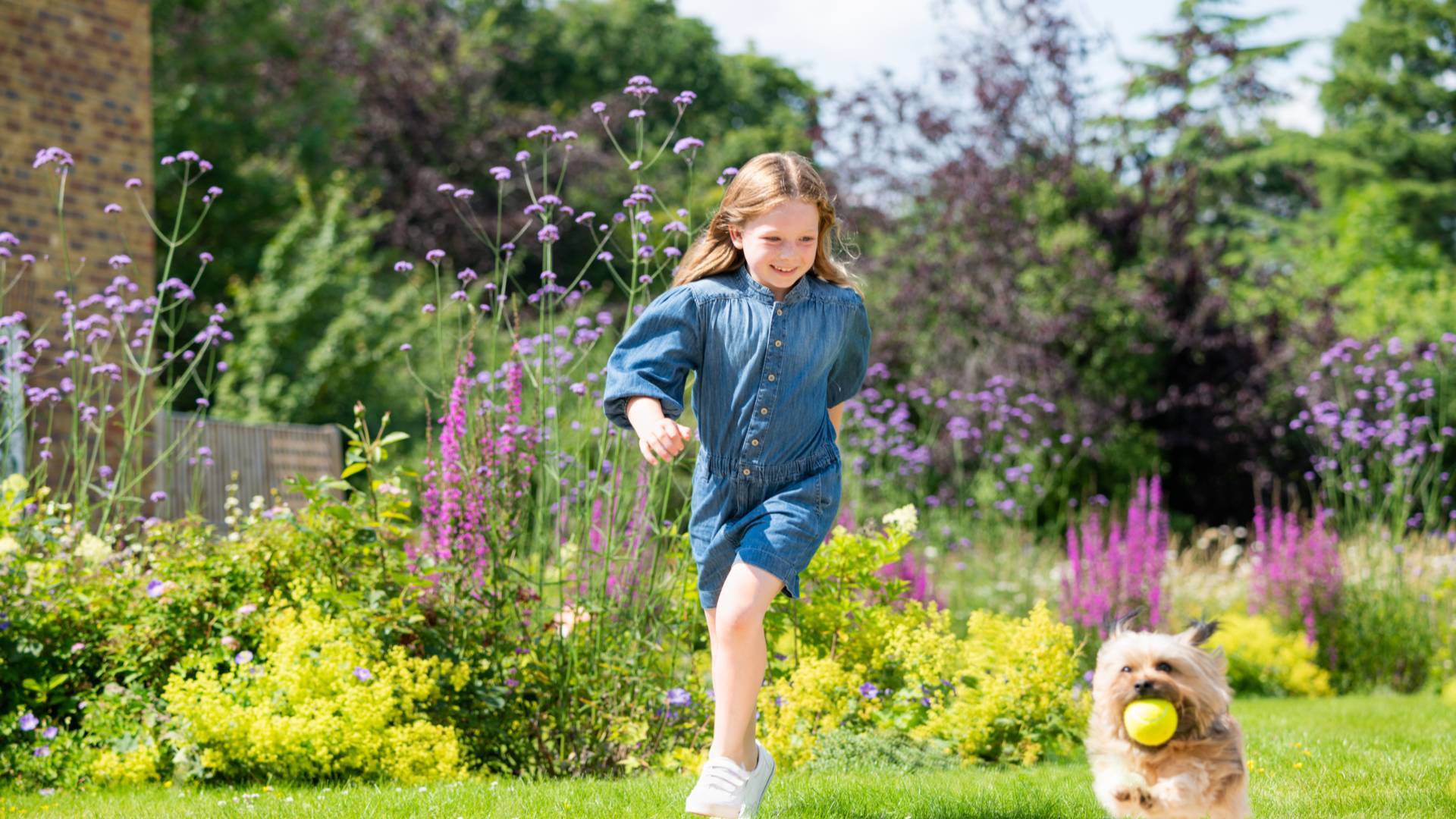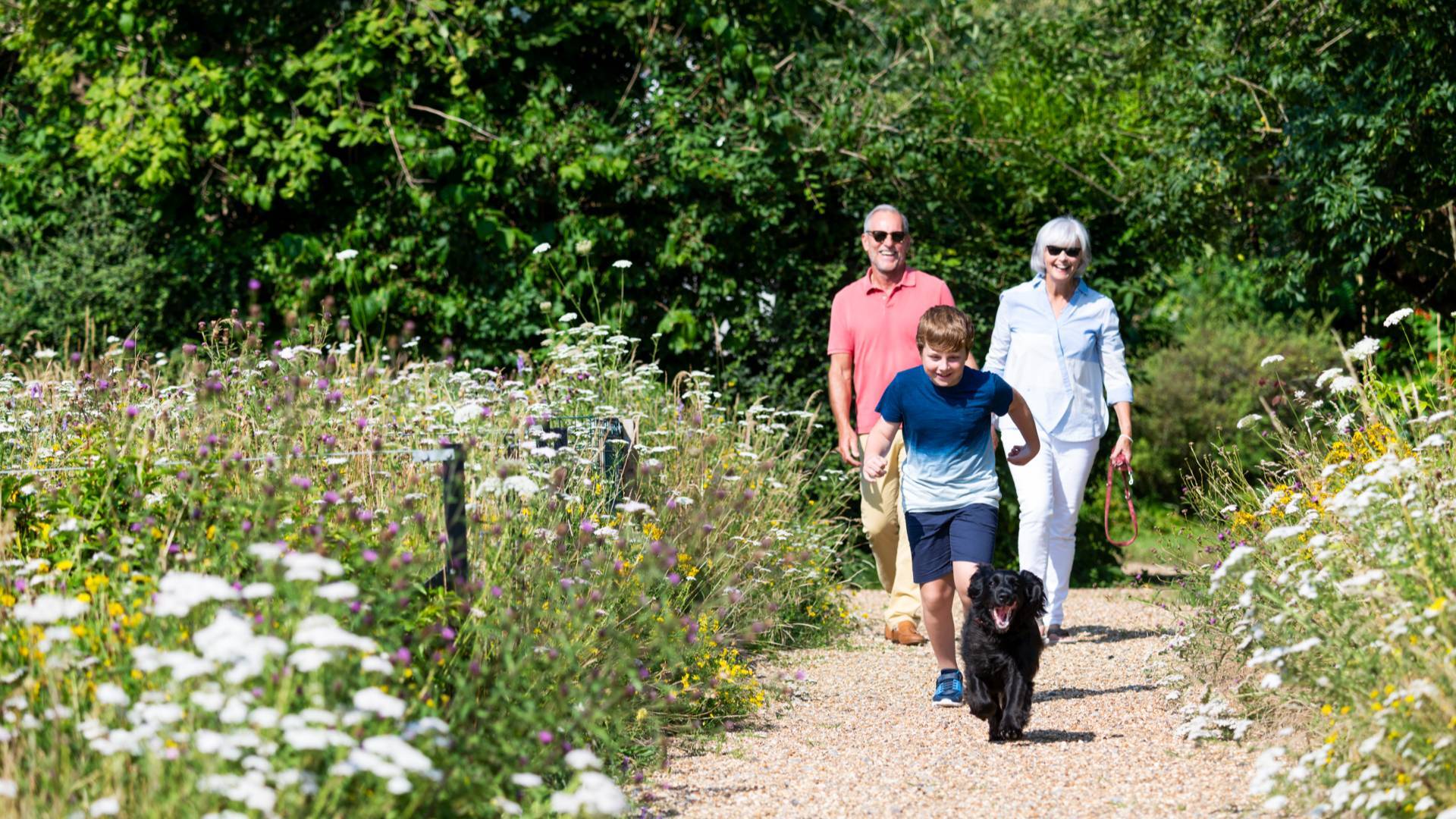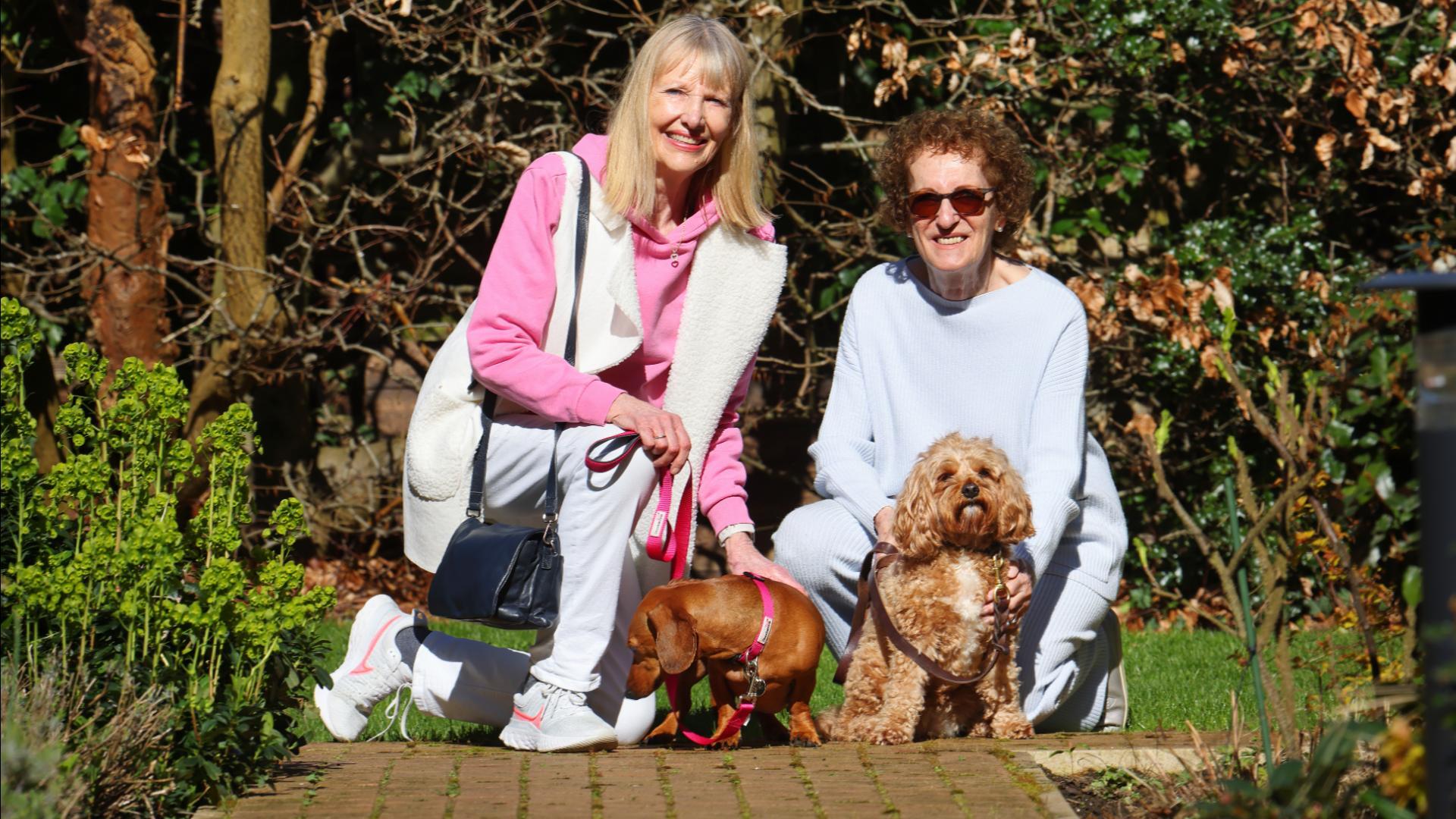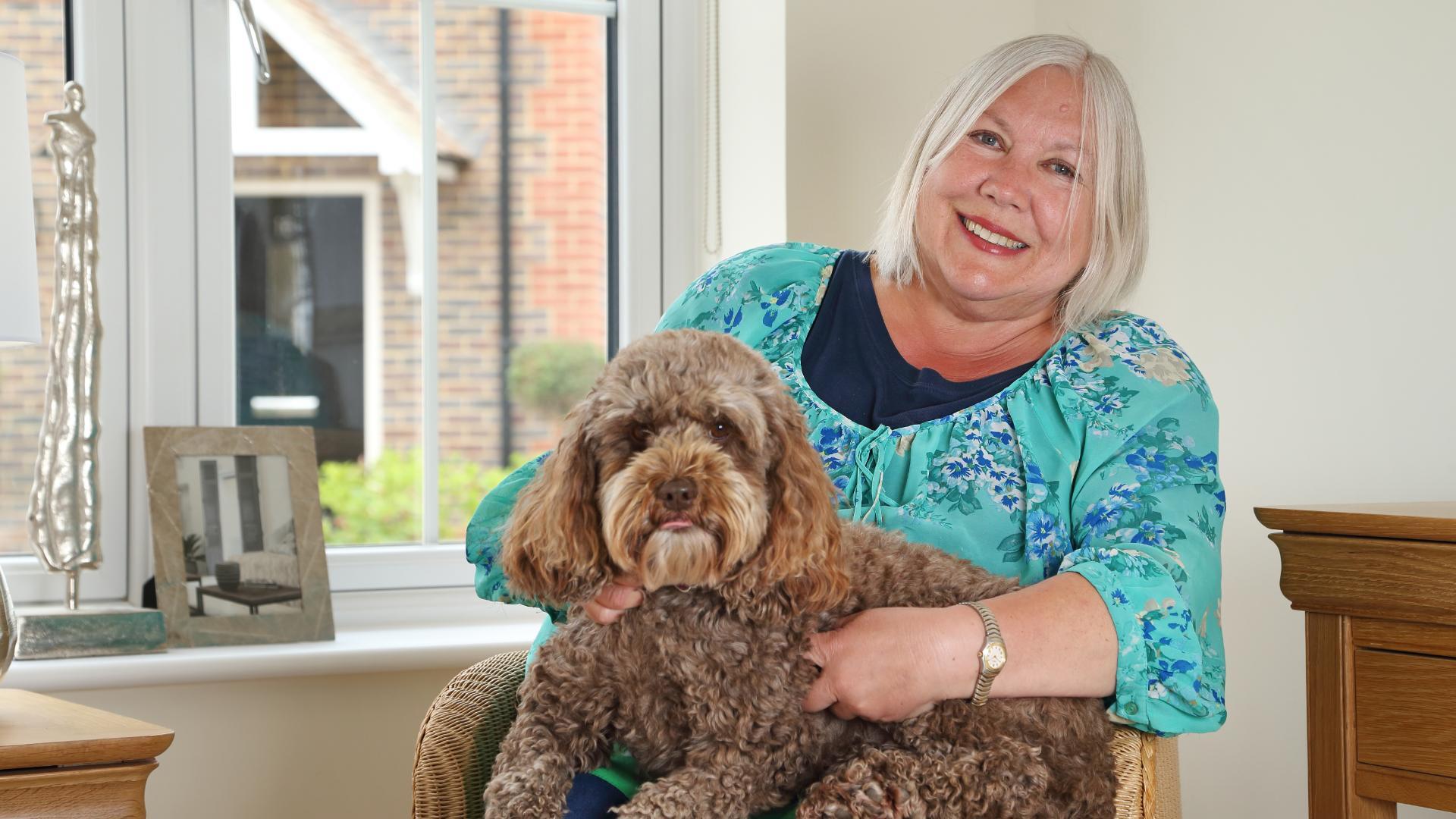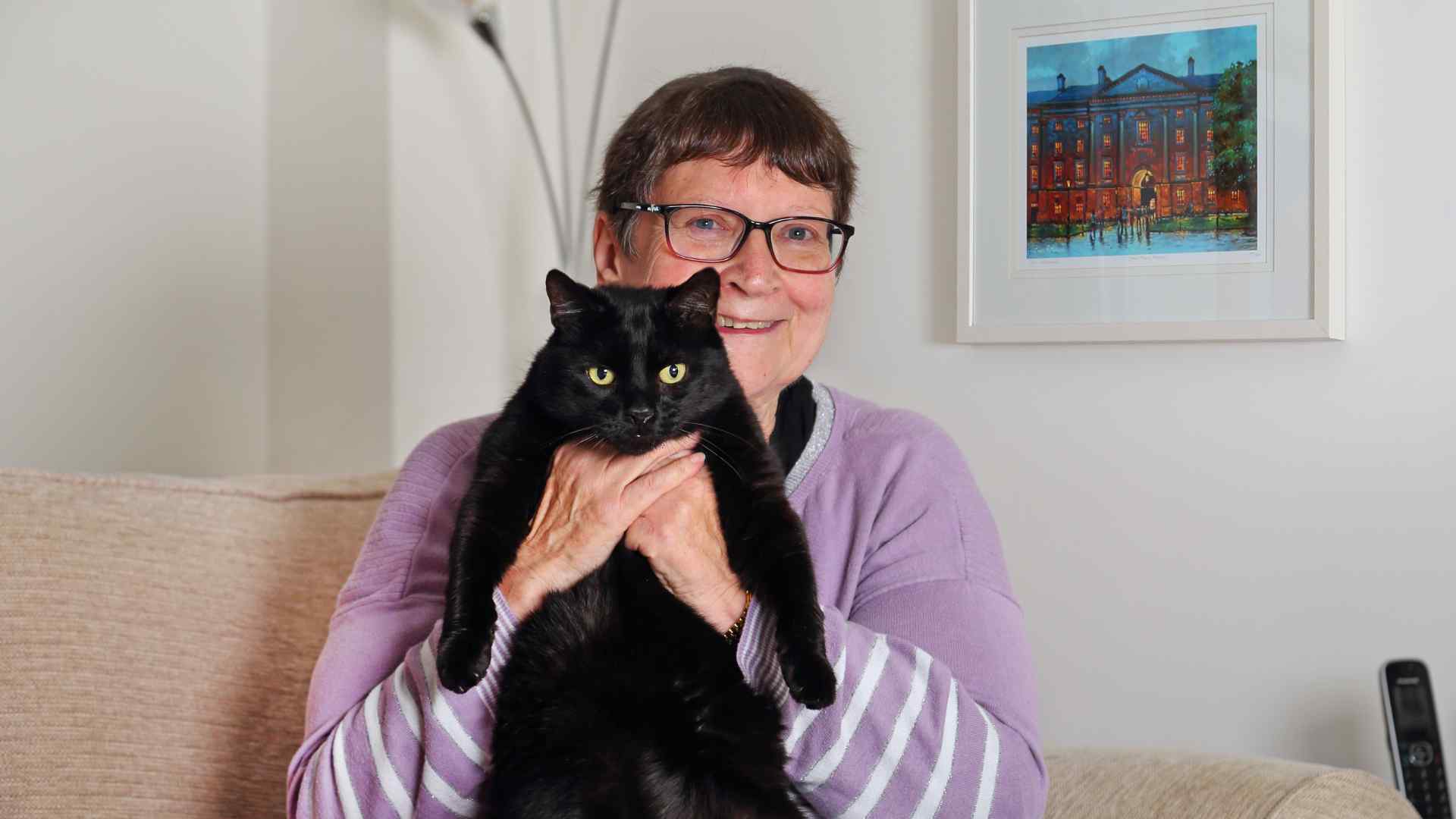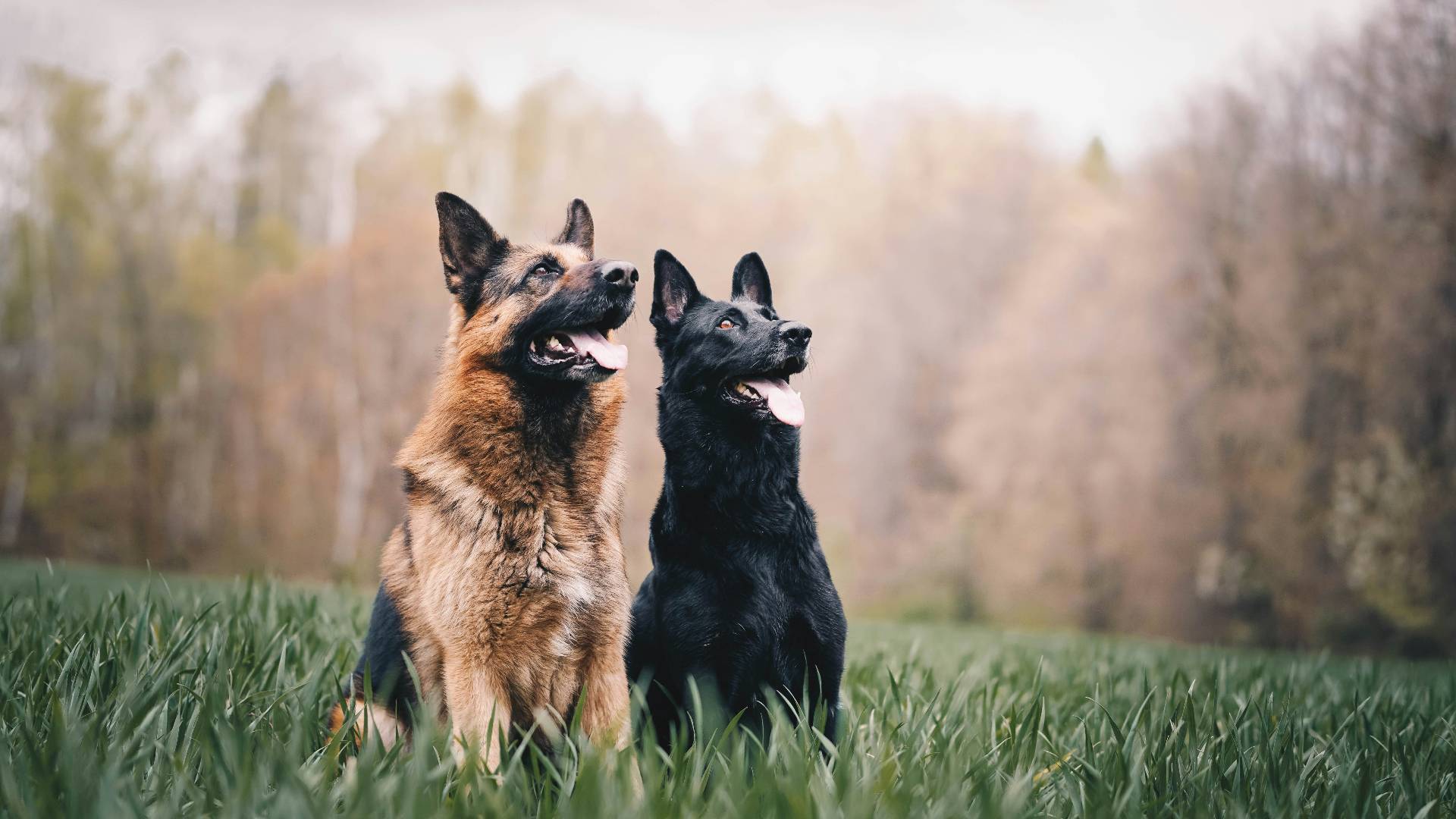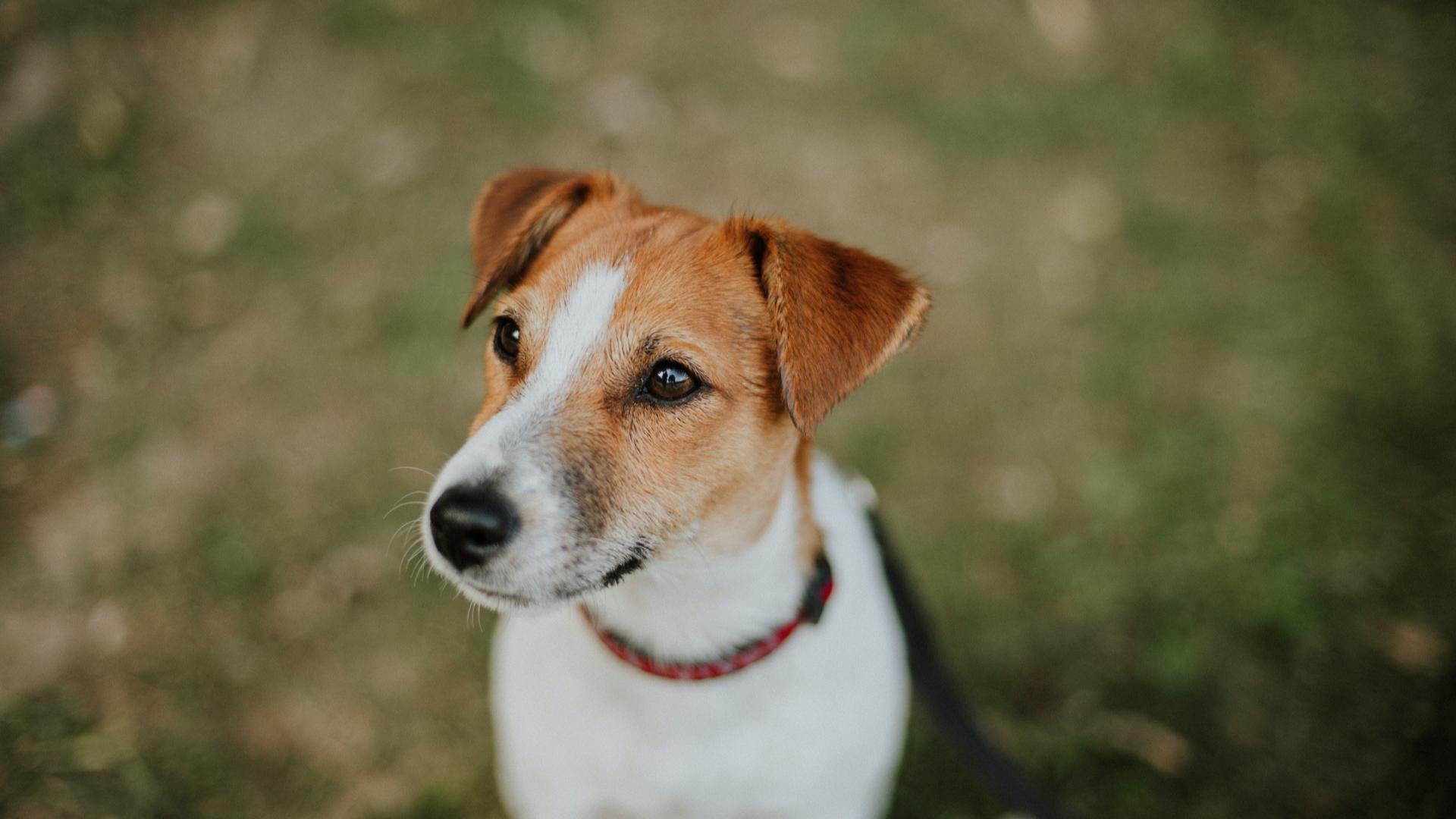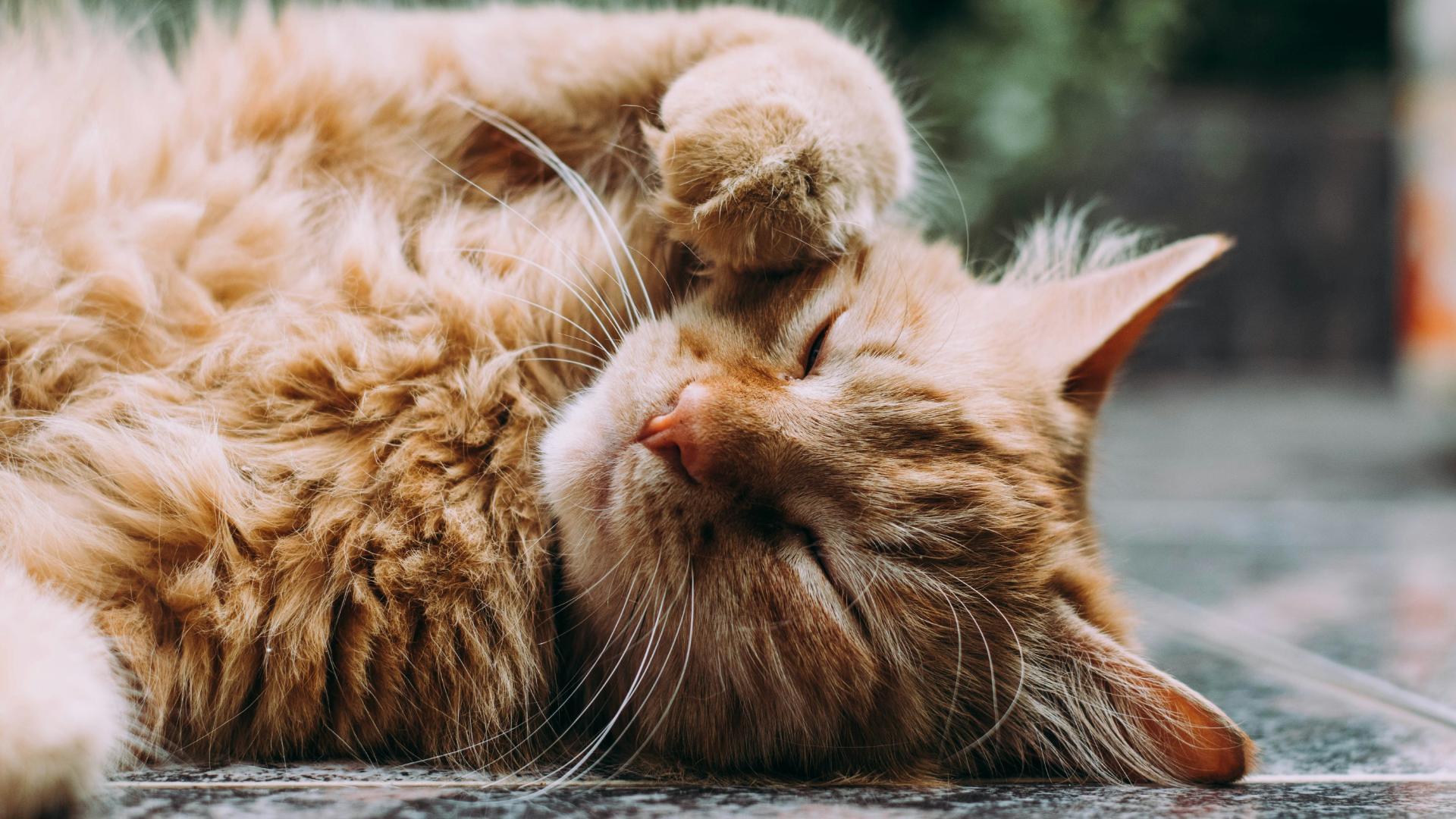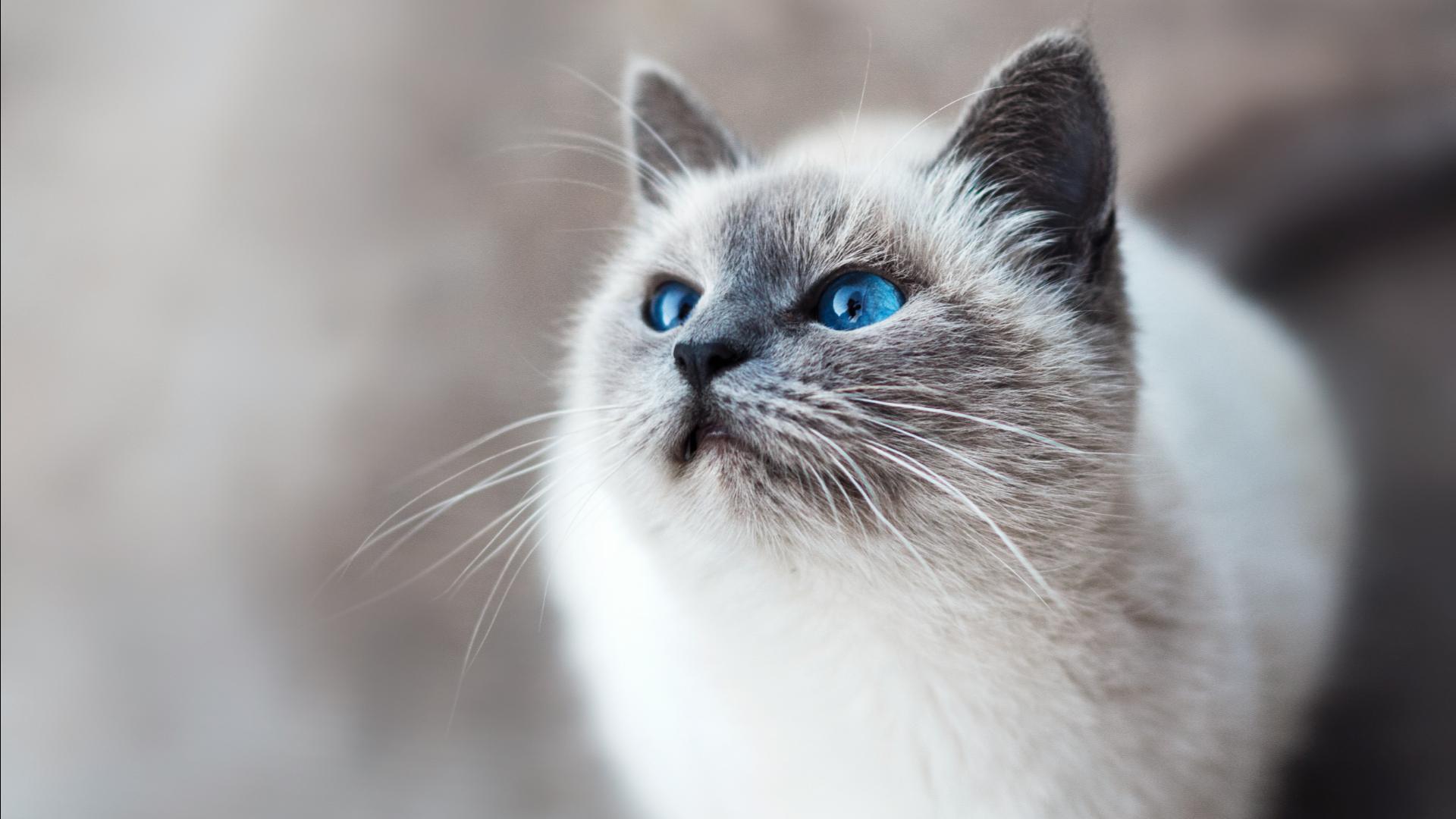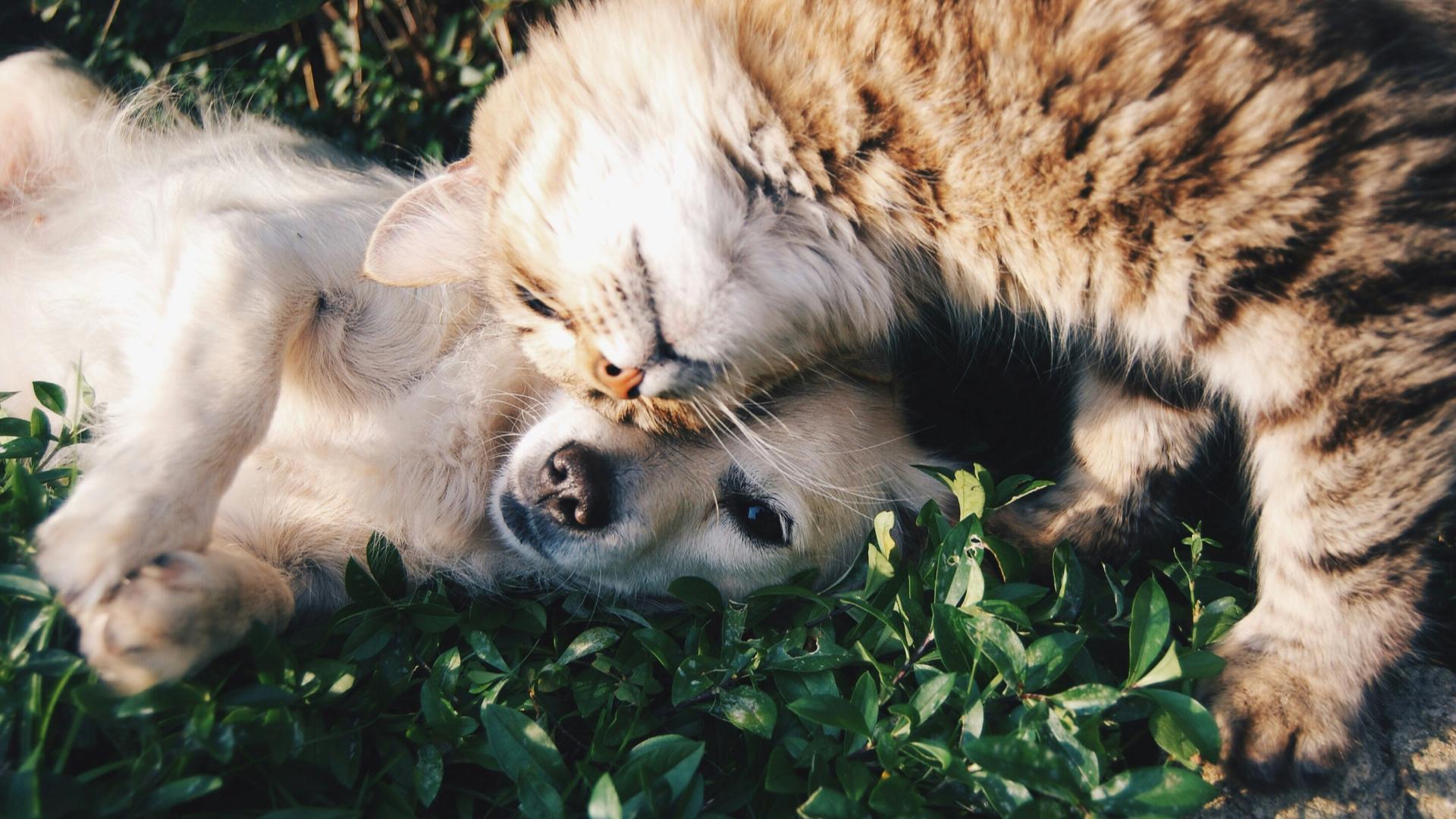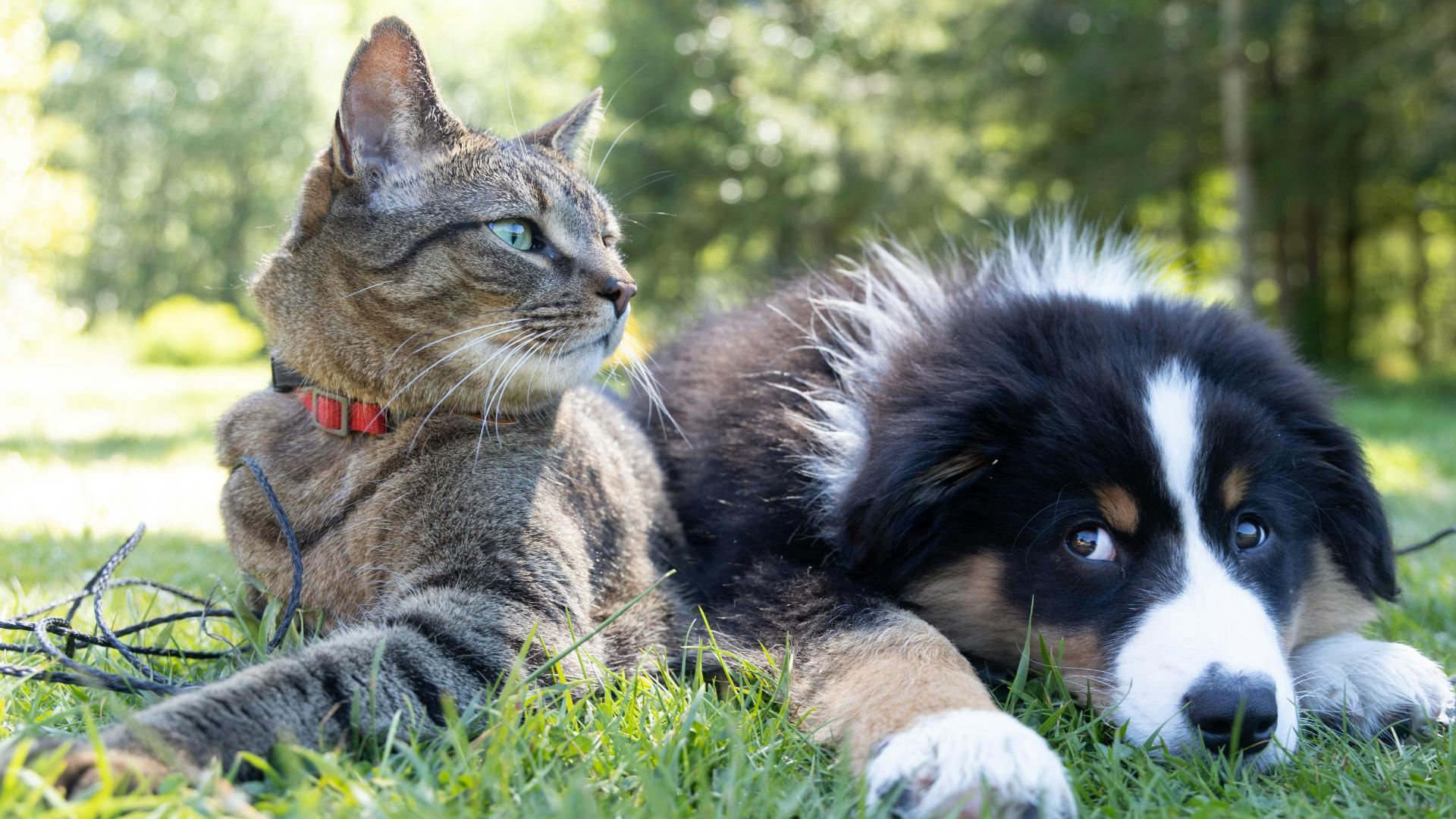
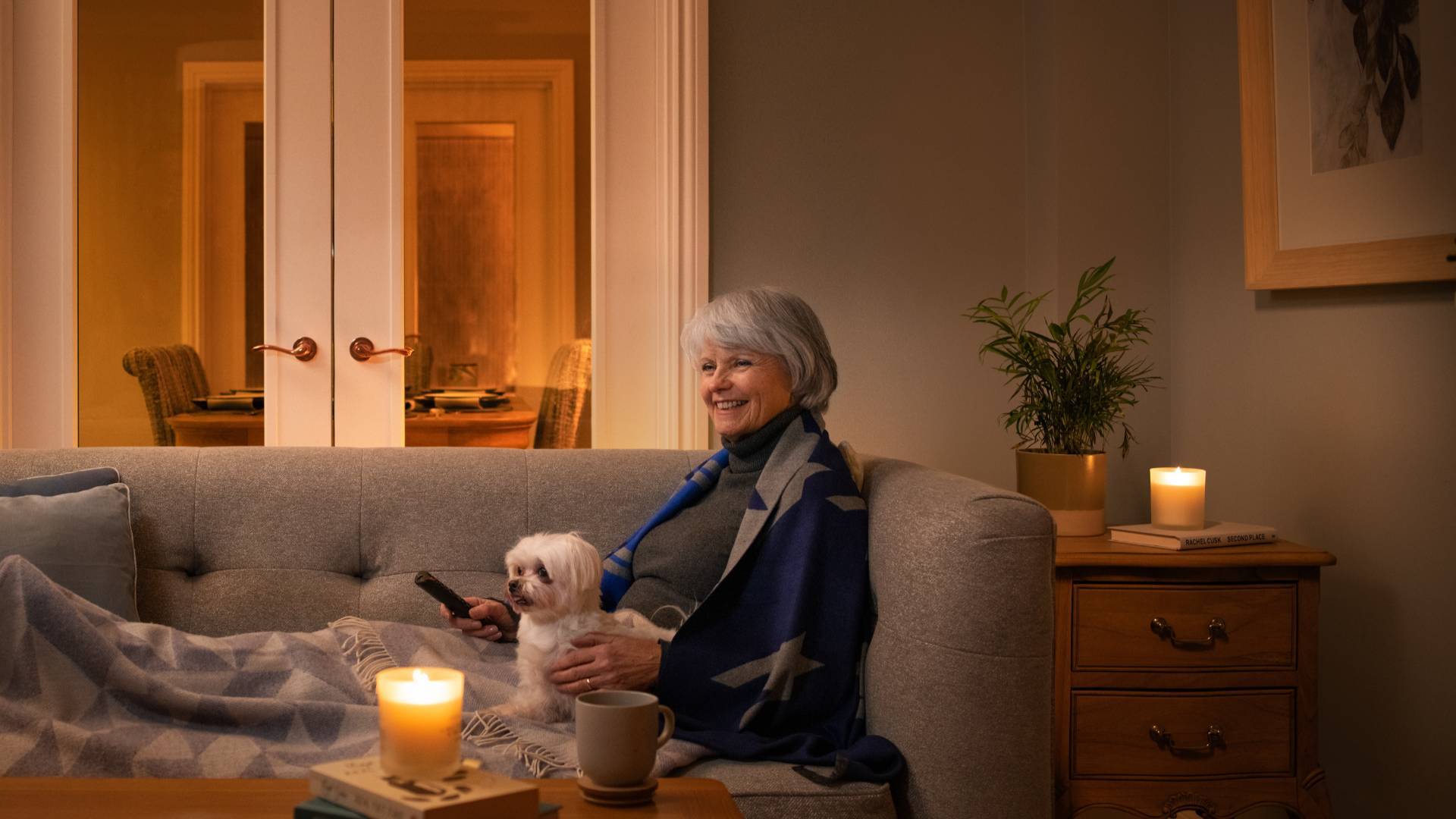
At Beechcroft, one of the frequently asked questions is whether pets are allowed to live on our developments. Our answer is always a resounding ‘yes, well-behaved pets are always welcome’ because we understand that pets are members of the family and valued companions.
Animals have always been important to humankind – for food, clothing, transportation and, in some regions of the world animals had – and still have – religious significance. History is littered with evidence of pet ownership but mainly by the aristocrats and ruling classes. From the 15th to the 18th centuries, women of lower classes who owned pets were more likely to be accused of sorcery so it isn’t surprising that pet ownership in its current form didn’t become popular with the middle classes until the late 18th century. The Victorians viewed the domestication of animals as a demonstration of man’s domination over nature. Art of the time often depicts ladies with lapdogs and men with hunting dogs, horses and falcons. Pet keeping, however, was not considered appropriate for the lower classes as it encouraged ‘the neglect of social duties.’
Today, the benefits of owning a pet have been widely recognised and they are wide-ranging.
Getting out and about dog-walking undoubtedly helps improve mental well-being. Even sitting indoors, with a cat, dog or other small animal, snuggled up on your lap can reduce stress levels and lift your mood by releasing the chemicals that help reduce blood pressure. Psychologists confirm that we do best, emotionally, when we feel securely attached to another being – and this is certainly the case with dogs and cats because they provide unconditional love. Coming home to a pet who is happy to see you provides a feeling of validation. A recent PDSA survey revealed that 92% of dog owners agree that owning a dog improves their life, 86% says it makes them physically healthier and 88% say it makes them mentally healthier.
A survey of 2000 pet owners carried out by pet food brand, Purina, revealed that there is an unbreakable bond between owners and pets. 73% of those surveyed said they considered their pet to be one of their best friends and only 4% of those surveyed strongly disagreed with that. What’s more, just over 53% stated that they considered their pet as one of their children. These pet owners also stated that they confide in their pets in the way they would a best friend or family member with 79% talking to pets as if they were human and asking them questions or for advice. When it comes to holidays 48% of the pet owners stated that they take their pets away with them, 4% taking them abroad. It’s certainly true that pets can make us laugh, cheer us up on dark days, bring us comfort when we need it – and all without a single world. Pets are also great ice-breakers – almost 25% of pet owners surveyed by the Blue Cross said they had met friends as a direct result of owning a dog or cat. This type of social interaction is very important and has an indirect effect on well-being – it has long been recognised as beneficial to mental health because it reduces feelings of loneliness and social isolation.
Pet ownership means constant companionship and reduces feelings of loneliness. They provide a routine and a sense of purpose, a reason to get up in a morning – or the pet will complain and a reason to get out and about.
For mature travellers, increased competition will mean even more stress-free options to explore Europe, with flexible tickets and improved comfort making rail travel an increasingly attractive choice.
“Pets are humanising. They remind us we have an obligation and responsibility to preserve and nurture and care for all life.” James Cromwell.
This is particularly true when we get older and our children are grown and no longer need us. Most humans, young and old, have a need to nurture something and, for parents, this need doesn’t stop when the children or grandchildren are grown. Pets will always be dependent on us for their sustenance, for food, shelter and love – and they don’t take that for granted.
There’s no doubt that a dog deters intruders. Dogs are curious and any strangers, unusual noises or movements will provoke a swift reaction. Even if the dog’s bark is worse than its bite, they still act as a deterrent.
Most Beechcroft homes provide a terrace, balcony, private garden or a combination of these – which pet owners appreciate and our developments are located within easy reach of parks, green spaces and open countryside – so dog owners have a good excuse to explore.
When Sue Brooks moved into a new Beechcroft home she took her cat, Swanley, with her. She’d owned Swanley for eight years and wouldn’t have dreamed of rehousing him. “I wouldn’t have moved if I couldn’t have taken Swanley with me. Having a cat has made a great difference to me. I live alone and it’s lovely to have Swanley for company. Owning a pet is marvellous: they enhance your life and give structure to your day. After all, you have to get up every morning to feed them. Swanley settled into our new home very quickly. I kept him inside for three weeks and Beechcroft gave me permission to put a cat flap in the back door so he was soon able to get out and about. He’s happy here – and thinks he owns the place.”
“I was pleased to discover Beechcroft welcomes pets – so many retirement villages don’t allow dogs and I have a six-year-old Cockapoo named Coco,” says one buyer at Beechcroft’s development in Watlington. “Of course, finding a home with a garden for my dog was a priority and I was able to buy a two-bedroom Beechcroft house with a private enclosed garden. Everyone seems dog friendly here. Several of the neighbours have dogs and I have been out for walks with one of them.”
Pet ownership in retirement: our top tips
If you’re no longer working full-time, you’ll be able to devote more time to your pet and if you haven’t already got a pet, you may be thinking about getting one – and we hope the following tips will prove useful:
“I was pleased to discover Beechcroft welcomes pets – so many retirement villages don’t allow dogs and I have a six-year-old Cockapoo, named Coco. Of course, finding a home with a garden for Coco was a priority and, at Castle Gardens, I was able to buy a two-bedroom house with a private enclosed garden. Everyone seems dog friendly here; several of the neighbours have dogs and I have been for a few walks with one of them. Coco has settled down well. The first thing that came out of the removal van was her dog bed and she sat in the sunroom like a Queen Bee watching the removals.”
, Castle Gardens, Watlington
Watch out for signs of stress or trouble – not eating, behaving differently or more aggressively than usual – you may need to take them to the vet if they don’t settle
29 September 2026
World Heart Day is a reminder to look after cardiovascular health. This guide covers heart-healthy eating, exercise, stress reduction,…
Read more29 September 2026
Living alone in later life can bring independence, flexibility and new opportunities. Discover ideas for staying connected, pursuing…
Read more23 September 2026
Elegant residents' lounges and guest suites can add real value to retirement living, offering places to connect with neighbours…
Read more