Windsor Castle is not just a majestic landmark; it's home to a fascinating array of royal residents. Discover who lives behind its storied walls!
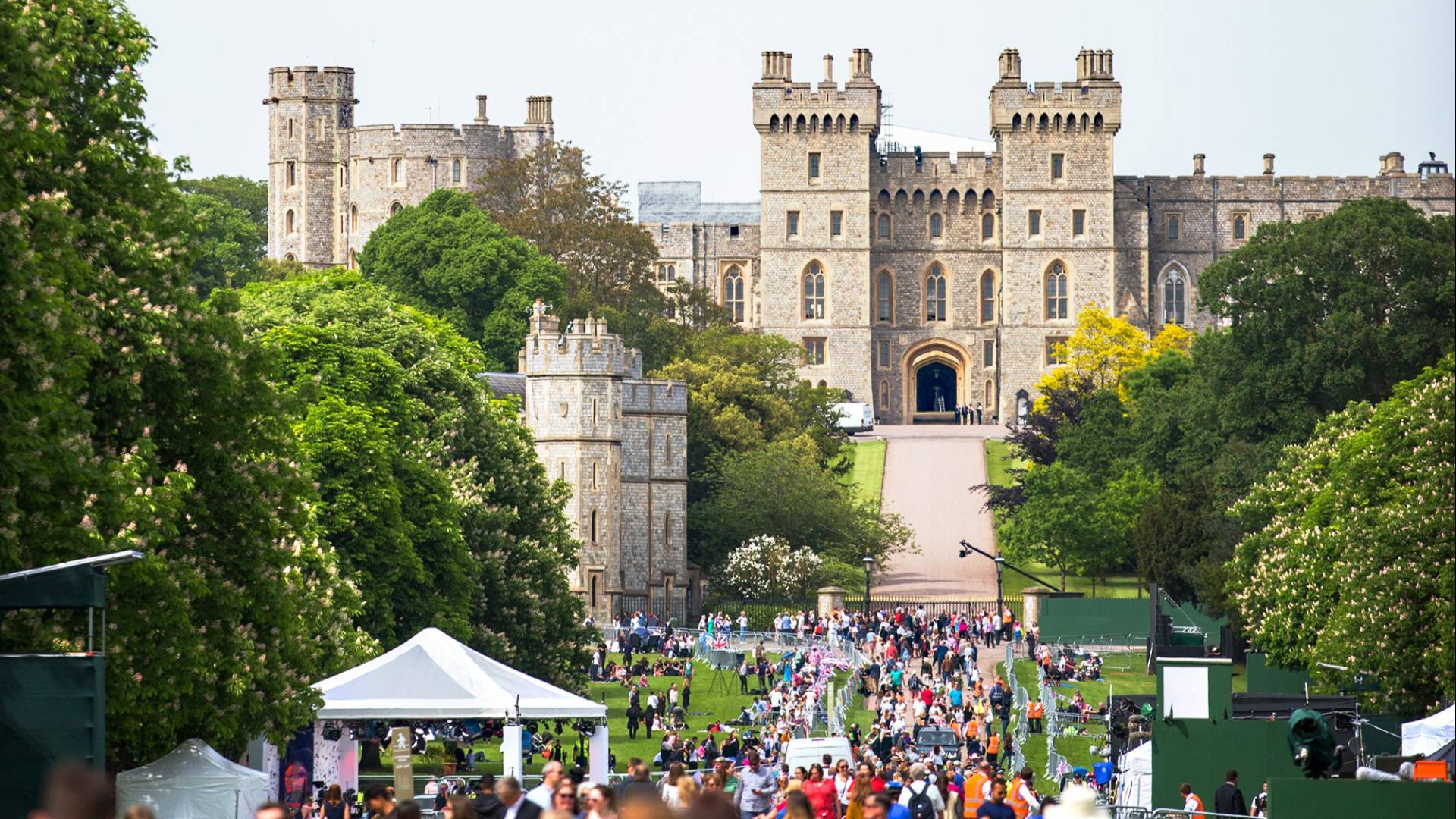
Windsor Castle stands as a testament to nearly a millennium of British history. Founded by William the Conqueror in the 11th century, it has served as a fortress, a royal residence, and a symbol of the monarchy's enduring presence. Its strategic location on a high ridge overlooking the River Thames made it an important defensive site in the Middle Ages. Through centuries of architectural evolution, it has grown from a simple motte-and-bailey into the grand and complex structure we see today.
The castle has witnessed countless historical events, from medieval battles to modern state occasions. During the English Civil War, it was seized by Parliamentarians and later became a prison for Charles I before his execution. In the Restoration period, it was transformed by Charles II into a lavish baroque palace, reflecting the changing tastes and fortunes of the monarchy. Each monarch has left their mark on Windsor, contributing to its rich tapestry of history.
Windsor Castle's significance extends beyond its walls to its role in the shaping of British culture and governance. It has been a setting for pivotal decisions, such as the signing of the Magna Carta nearby at Runnymede in 1215. The castle's enduring presence and adaptability have allowed it to remain a central piece of Britain's royal heritage, illustrating the monarchy's resilience and continuity through the ages.
The British royal family has a deep and enduring connection to Windsor Castle, which has served as a royal home for over 900 years. It is one of the official residences of the reigning monarch and a favored retreat for the family. Queen Elizabeth II, in particular, had a profound affection for Windsor, often describing it as her "home" and preferring it for weekends and Easter Court.
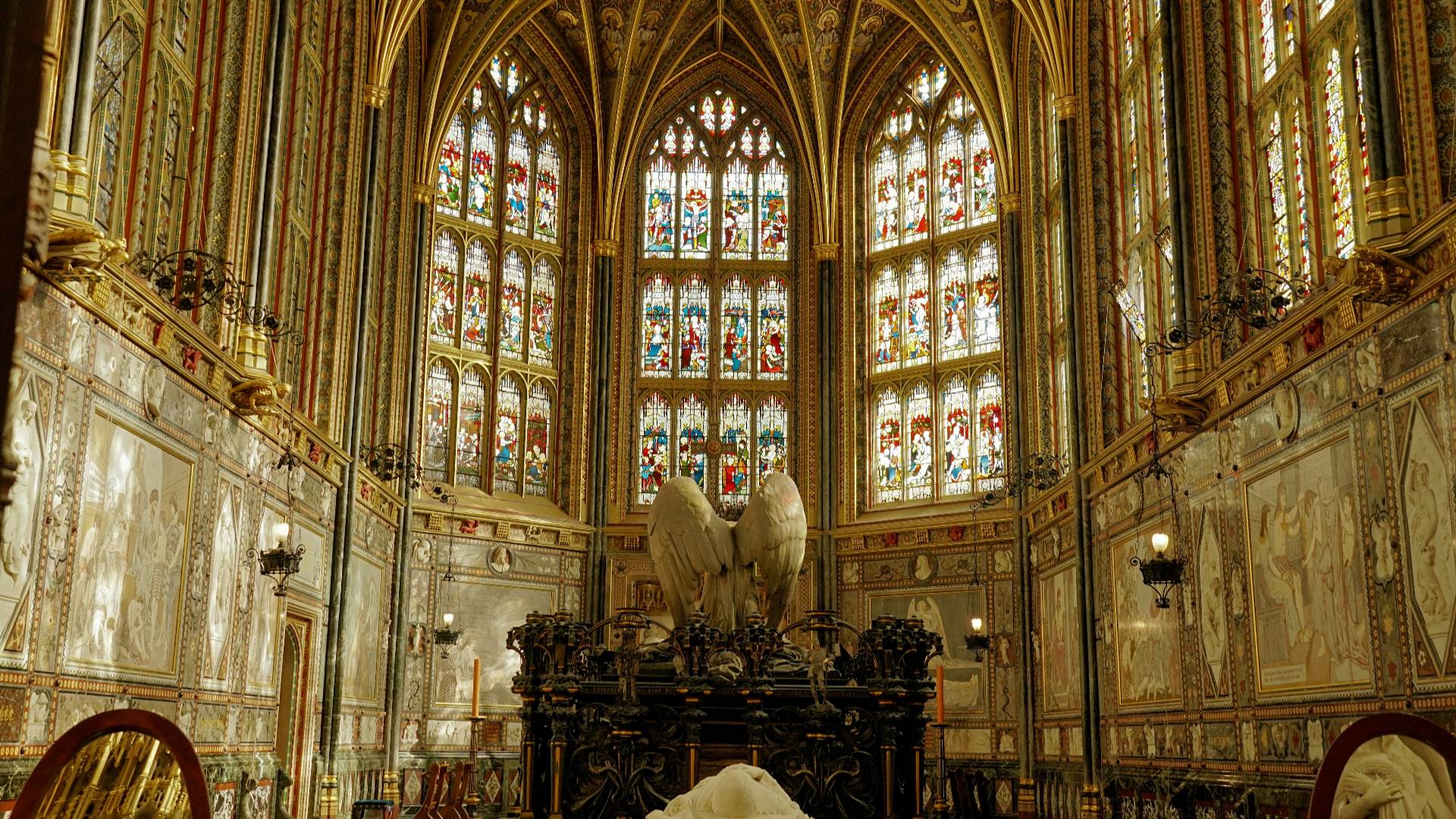
Windsor Castle is not just a residence; it is a place of personal and historical significance for the royal family. It has been the site of numerous family events, from weddings and christenings to anniversaries and funerals. The castle's St. George's Chapel holds a special place in the family's spiritual life, having hosted many royal weddings, including those of Prince Harry and Meghan Markle, and Princess Eugenie and Jack Brooksbank.
The connection to Windsor also extends to the family's legacy and identity. The House of Windsor, established in 1917 by George V, takes its name from the castle, symbolizing the family's deep-rooted ties to this historic site. Windsor Castle thus serves as both a physical home and a symbolic heart of the British monarchy, embodying the continuity and tradition that define the royal family.
As of the present day, Windsor Castle remains an active royal residence, primarily serving as the weekend home for the reigning monarch. King Charles III, following his ascension to the throne, has continued the tradition of using Windsor as a retreat from the formalities of Buckingham Palace. The castle provides a more relaxed and private environment for the monarch and their close family members.
In addition to King Charles III, other members of the royal family also use Windsor Castle for various purposes. The grounds include Frogmore Cottage, which was the former home of the Duke and Duchess of Sussex, Prince Harry and Meghan Markle, before they moved to North America. Frogmore House, another residence on the Windsor estate, is often used for private family events and entertaining guests.
Windsor Castle's vast estate also houses numerous staff members who ensure the smooth running of daily operations. These include a range of positions from domestic staff and groundskeepers to security personnel and administrative workers. Their presence is crucial in maintaining the castle's function both as a private residence and a public landmark, ensuring that it remains a living, breathing part of British heritage.
Photograph by Millie Pilkington 2024.
Windsor Castle plays a pivotal role in many royal ceremonies and state occasions, serving as a grand and historic backdrop for events that define the British monarchy. One of the most significant ceremonies held at Windsor is the annual Order of the Garter service. This prestigious event takes place in St. George's Chapel, where knights of the Order, dressed in their elaborate regalia, process through the castle grounds.
The castle is also a key venue for state visits and diplomatic receptions. It provides a majestic setting for welcoming foreign dignitaries and hosting state banquets. The grandeur of the State Apartments and the historic St. George's Hall offer a unique atmosphere that underscores the importance of these international relations and the monarchy's role in global diplomacy.
Moreover, Windsor Castle is frequently the site of royal weddings and christenings, adding to its emotional and cultural significance. These personal family events are often shared with the public, reinforcing the connection between the monarchy and the people. The castle's role in these ceremonies highlights its dual function as a private home and a public symbol of tradition and continuity.
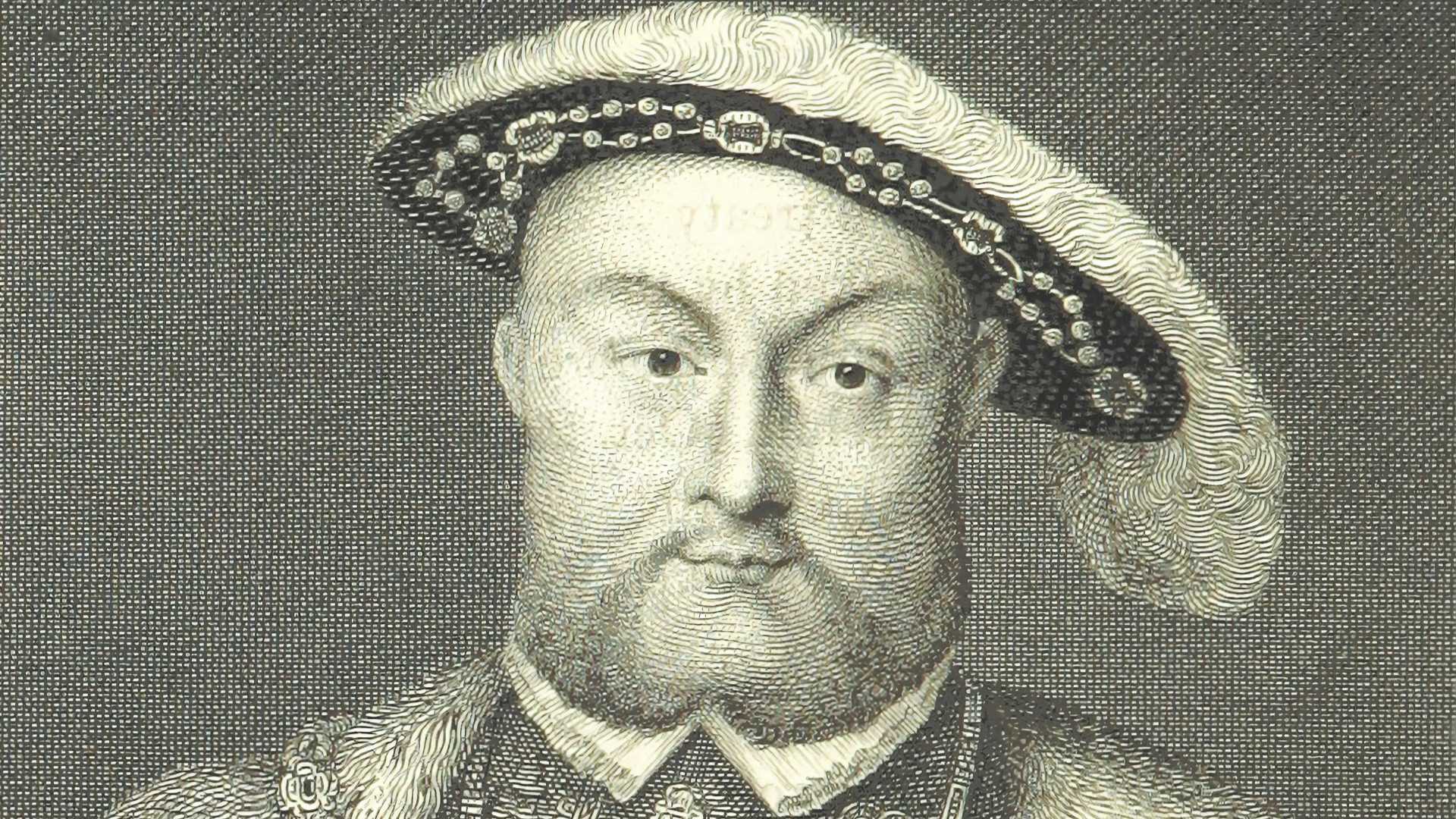
Throughout its long history, Windsor Castle has been home to many notable royal figures. One of the most famous past residents is King Henry VIII, who spent significant time at Windsor and even established the Order of the Garter there. His daughter, Queen Elizabeth I, also favored Windsor Castle, using it as a safe haven during times of plague in London.
Another prominent resident was King George III, who is often associated with Windsor due to his long reign and the extensive renovations he undertook. George III's reign saw the castle transformed into a comfortable family home, as well as a symbol of royal authority. His legacy includes the creation of the Windsor Great Park and the addition of the private apartments known as the Queen's Lodge.
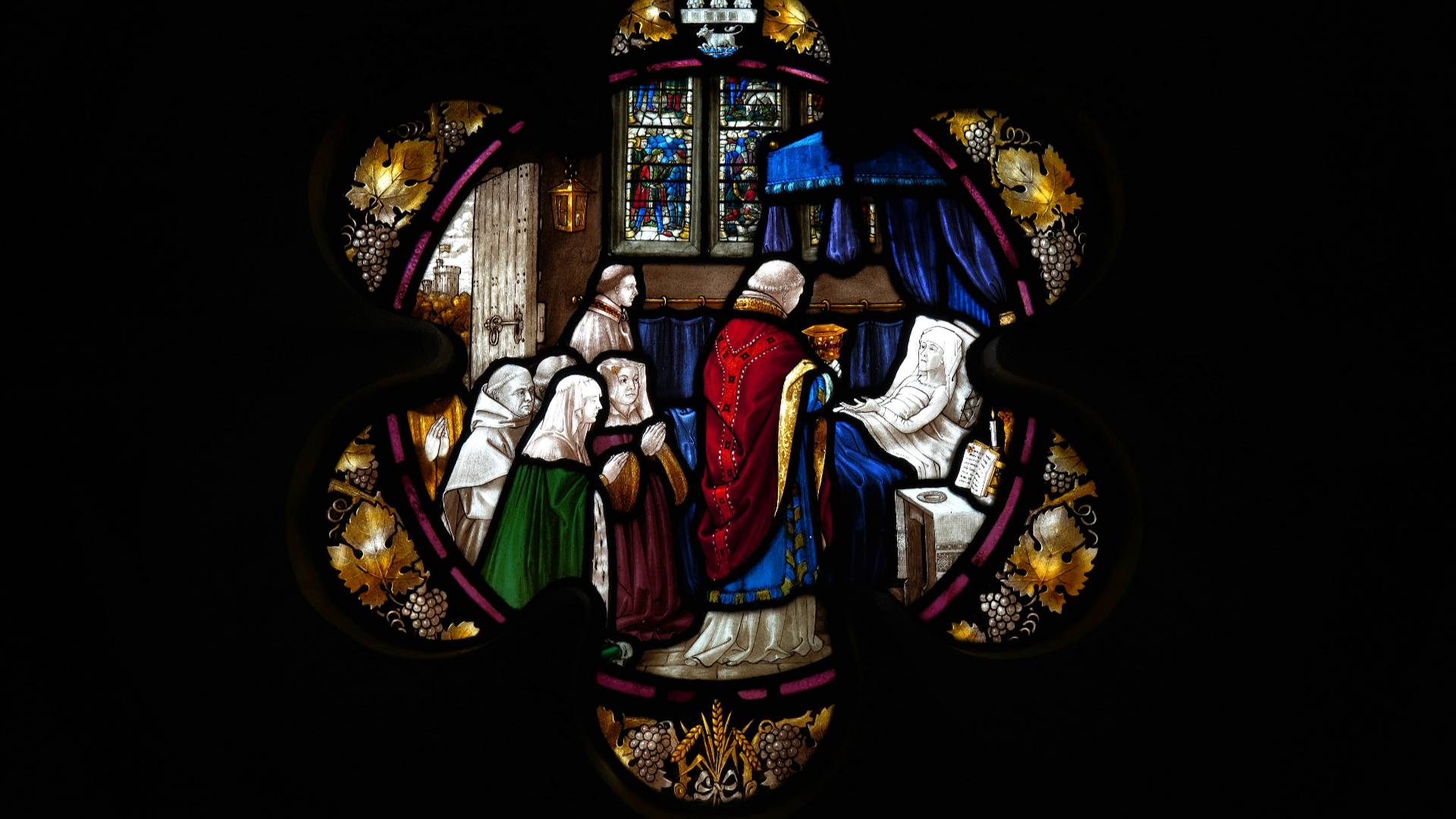
Queen Victoria, who reigned during the 19th century, is another significant figure in Windsor Castle's history. She spent much of her time at the castle, especially after the death of her husband, Prince Albert. Victoria's deep mourning and her subsequent retreat to Windsor solidified the castle's role as a private sanctuary for the royal family. Her influence can still be seen in the castle's Victorian Gothic architecture and the numerous memorials dedicated to Prince Albert.
More recently, Queen Elizabeth II was also a well-known resident of Windsor Castle. In the later years of her reign, she spent increasing amounts of time there, and it became her main home from around 2020 onwards. Her long association with Windsor helped reinforce the castle’s importance as both a working royal residence and a private retreat for the monarch.
Windsor Castle is not only a royal residence but also one of the most popular tourist attractions in the United Kingdom. Each year, millions of visitors from around the world flock to Windsor to explore its rich history and stunning architecture. The castle's public areas, including the State Apartments, St. George's Chapel, and the Semi-State Rooms, offer a glimpse into the opulent lives of the British monarchy.
The State Apartments are particularly renowned for their grandeur and historical significance. Visitors can marvel at the lavish interiors, including the impressive Waterloo Chamber, the grand St. George's Hall, and the intimate Semi-State Rooms. These spaces are filled with priceless artworks, antique furniture, and magnificent tapestries, providing a window into the castle's past and the lives of its royal occupants.
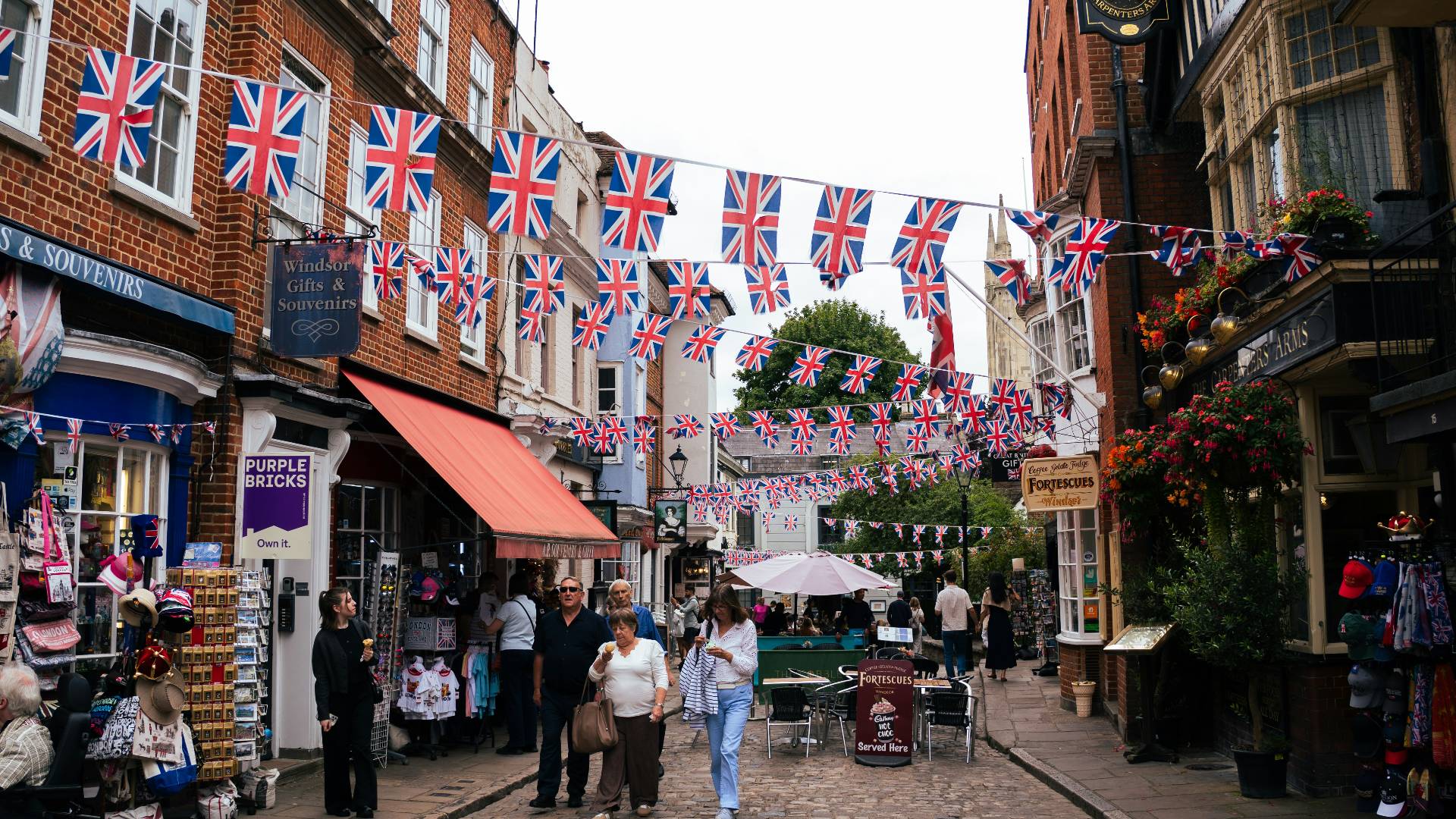
In addition to the castle itself, the surrounding Windsor Great Park and the picturesque town of Windsor offer further attractions. The park's expansive grounds are perfect for leisurely walks, while the town boasts charming shops, restaurants, and historic sites. Together, these elements make Windsor Castle a must-visit destination, blending royal history with modern-day tourism.
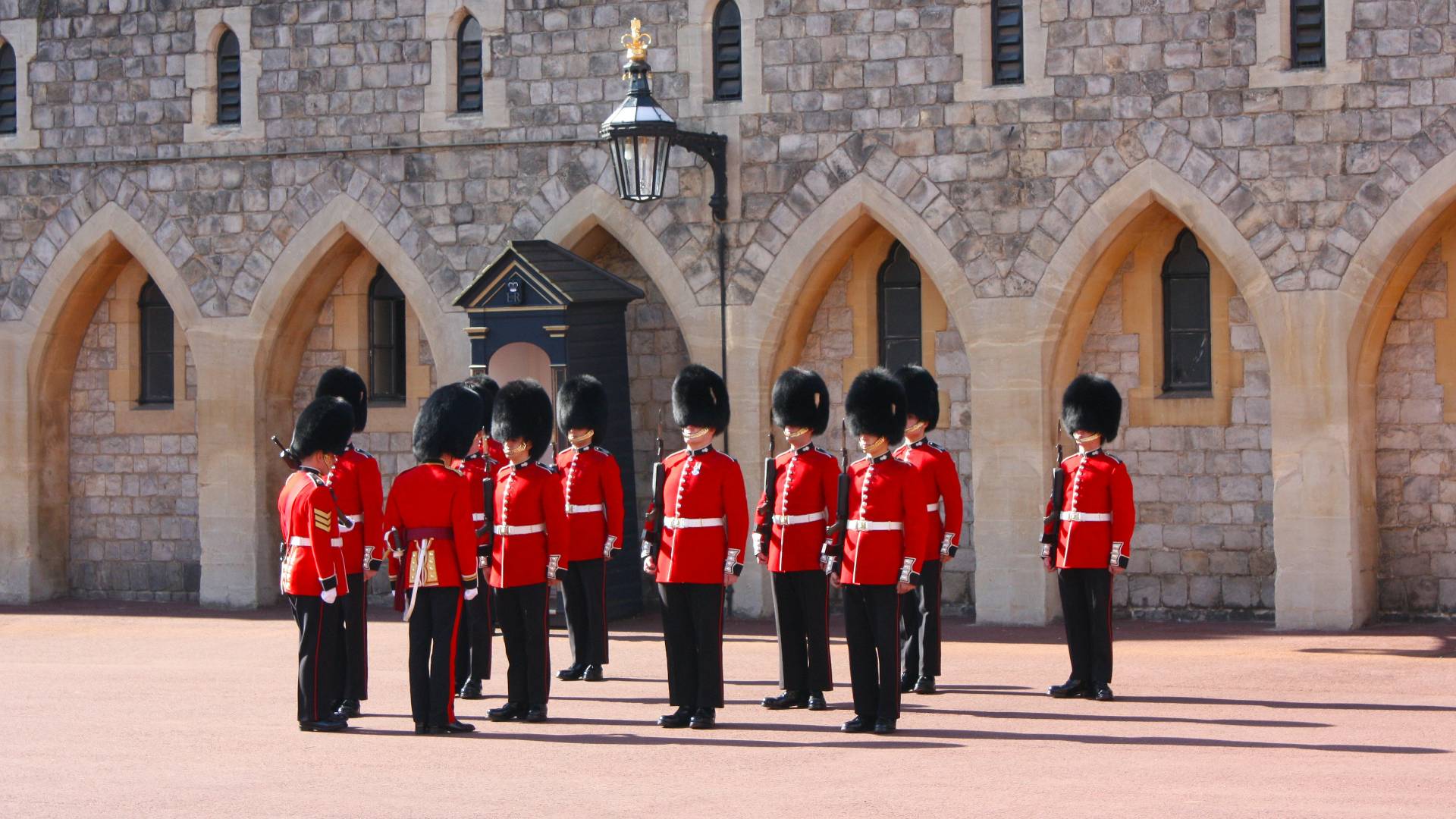
Given its status as a royal residence and a historic landmark, Windsor Castle is subject to stringent security measures. The castle's security is managed by the Royal Protection Squad, a specialized unit of the Metropolitan Police Service, along with the Household Division of the British Army. These forces work together to ensure the safety of the royal family and the integrity of the castle.
Security at Windsor Castle includes a combination of traditional and modern measures. The castle is surrounded by high walls and fortified gates, reminiscent of its medieval origins. In addition to physical barriers, advanced surveillance systems, including CCTV cameras and motion detectors, are in place to monitor the grounds continuously. These measures are crucial in maintaining the security of the castle and its residents.
Privacy is also a significant concern for the royal family at Windsor Castle. While certain areas are open to the public, large portions of the castle remain private and inaccessible to visitors. This separation allows the royal family to enjoy their home life away from the public eye. The balance between public access and private residence is carefully managed to respect the privacy of the royal family while allowing the public to appreciate the castle's historical and cultural significance.
As Windsor Castle continues to serve as a royal residence, its future is closely tied to the evolving needs and roles of the British monarchy. King Charles III and his successors will likely continue to use Windsor as a primary retreat, maintaining its status as a beloved home for the royal family. The castle's rich history and symbolic importance ensure that it will remain a central part of the monarchy's identity.
Future renovations and restorations will be essential in preserving Windsor Castle for generations to come. The castle's age and historical significance mean that ongoing maintenance is a constant necessity. Modernization efforts, such as updating infrastructure and improving accessibility, will help ensure that Windsor remains both a functional residence and an inviting tourist destination.
The role of Windsor Castle may also evolve in response to changing public expectations and the monarchy's role in contemporary society. As the royal family continues to engage with the public and represent Britain on the global stage, Windsor Castle will play a key part in hosting state events, royal ceremonies, and public engagements. Its enduring legacy will be shaped by the ongoing balance between tradition and modernity.
Windsor Castle's enduring legacy is a testament to its historical significance, architectural splendor, and deep connection to the British royal family. For nearly a thousand years, it has stood as a symbol of continuity and resilience, adapting to the changing needs of the monarchy and the nation. Its storied walls have witnessed countless historical events, from medieval battles to modern state occasions.
The castle's role as a royal residence and a public landmark highlights its unique place in British culture. It serves as a home for the reigning monarch and their family, a venue for royal ceremonies, and a beloved tourist destination. The balance between public access and private residence ensures that Windsor Castle remains both a living part of the monarchy's heritage and an accessible piece of history for people around the world.
As Windsor Castle looks to the future, its legacy will continue to evolve, shaped by the ongoing needs of the royal family and the expectations of the public. Through careful preservation and thoughtful modernization, Windsor will remain a central part of Britain's royal heritage, embodying the tradition, continuity, and resilience that define the British monarchy.
As you would expect, there are many fascinating and little-known facts about a castle that has survived and flourished for more than 1,000 years. Here are a few of our favourites:
5 February 2026
Whatever your taste or your budget, you can find somewhere to dine out in Windsor. From Michelin starred restaurants to smart restaurants…
Read more4 February 2026
Make this easy sweet and sour sauce recipe UK style with crispy chicken, peppers and pineapple. A quick homemade fakeaway that…
Read more3 February 2026
Discover the best Valentine’s Day meal deals 2026 from UK supermarkets. Compare prices, menus, and value from M&S, Tesco, Aldi,…
Read more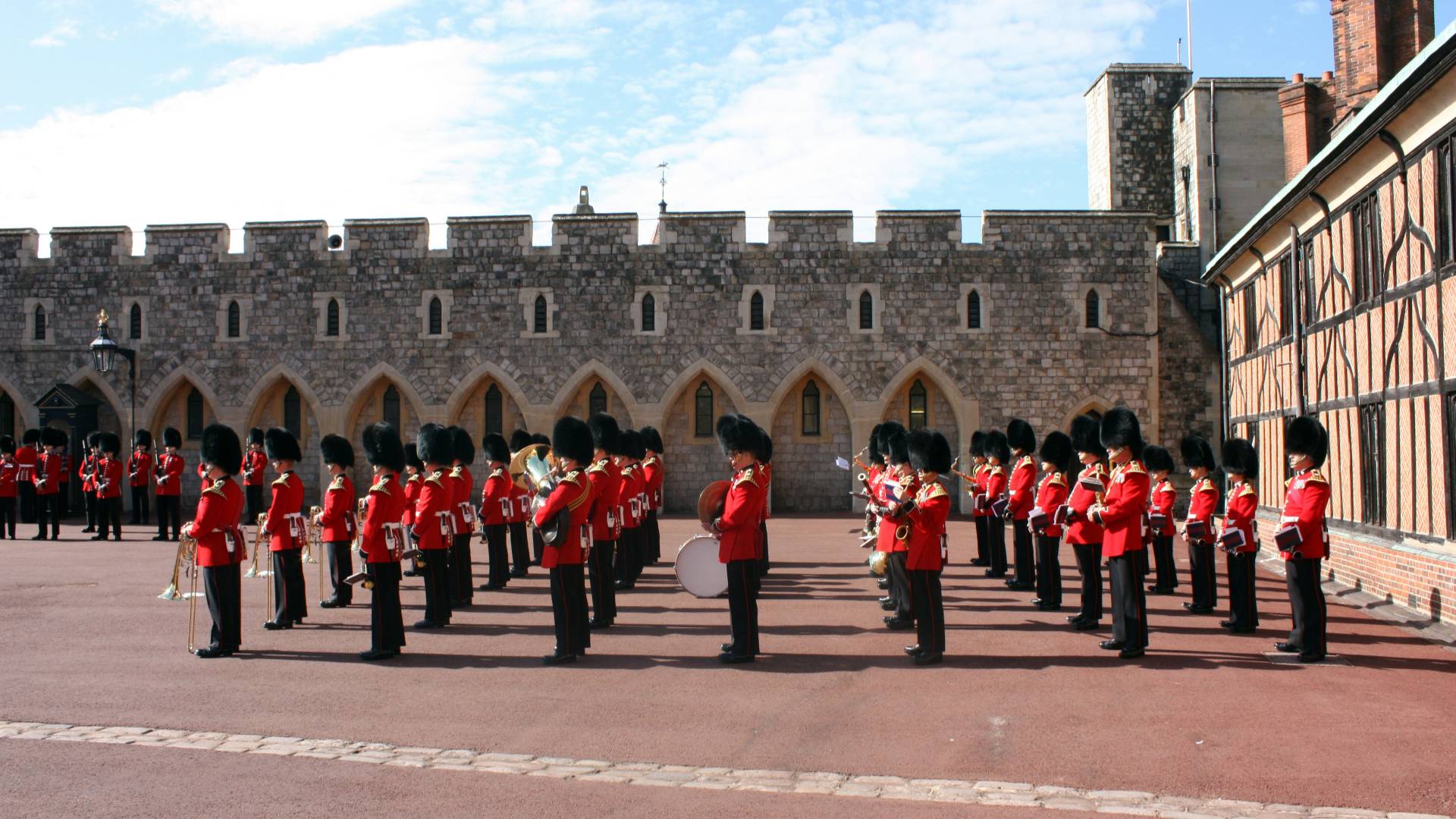
.jpg)
.jpg)
.jpg)
.jpg)