Living alone in later life can bring independence, flexibility and new opportunities. Discover ideas for staying connected, pursuing interests, volunteering and enjoying solo travel.
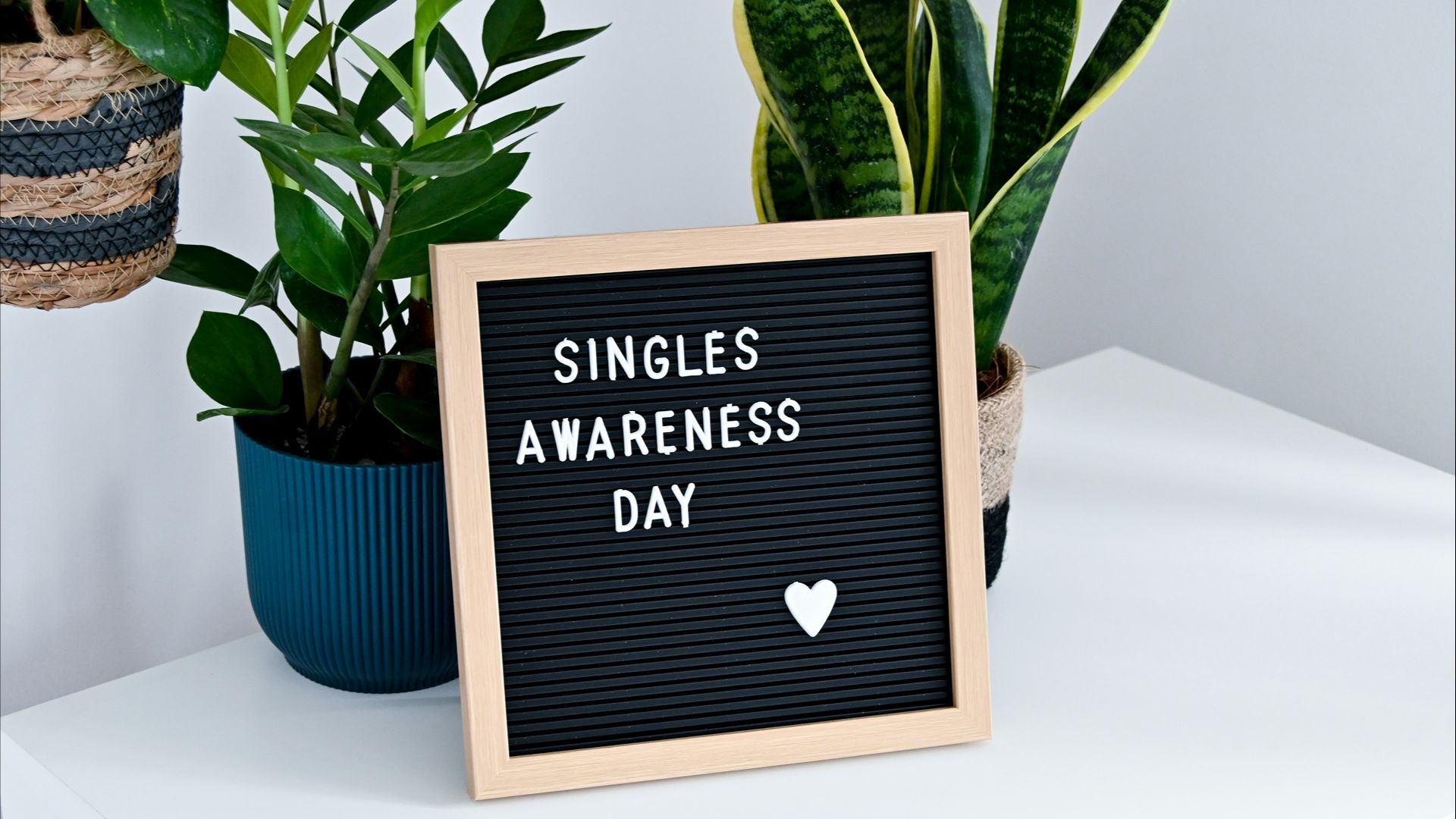
On the fourth Saturday of September, the United States celebrates Singles Day, the culmination of Singles Week, while in the UK Singles Awareness Day is 15 February, the day after St Valentine’s Day. But why do we have dedicated days to being single?
The simple answer is to celebrate independence, focus on personal growth and recognise the freedoms that can come with being single. It can be a day to treat yourself to something special, pamper yourself or connect with other single people.
In 2025, approximately 8.6 million people were living alone in the UK, representing an increase of 10.7% from 2015. Around 49.6% of those living alone were aged over 65. At Beechcroft, almost half of our customers (49%) are living alone, broadly in line with the UK average.
Some Beechcroft developments have an even higher percentage. At Winterbrook in Wallingford, for example, 72% of those who bought an apartment were living alone. At Binfield House in Binfield, Pinewood Place in Windsor and Abbey Mill Place in Bishop’s Waltham, the figures are over 60%, while at other developments the figure is around 50%. Nationally, women continue to make up the larger share of people living alone. In 2024, two in five women (41%) aged 65 and over were living alone – and, for an increasing number, the decision to live alone is a lifestyle choice.
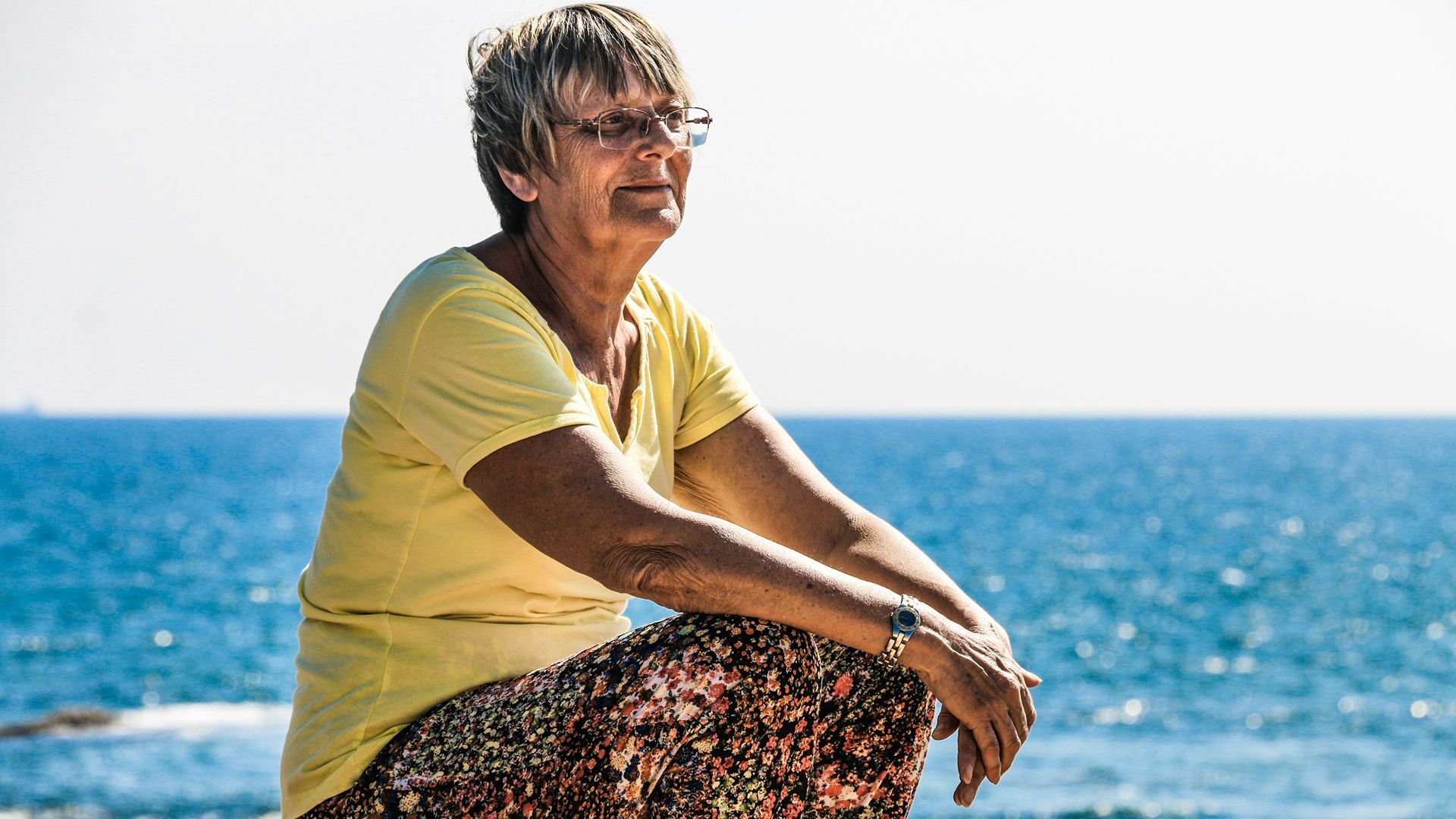
At the age of 68, I am single by choice. Widowed in 2002, I dated for a while but never wanted to marry again. In my 50s, I took up skiing and for the last 15 years have spent up to three months skiing in the Italian Dolomites.
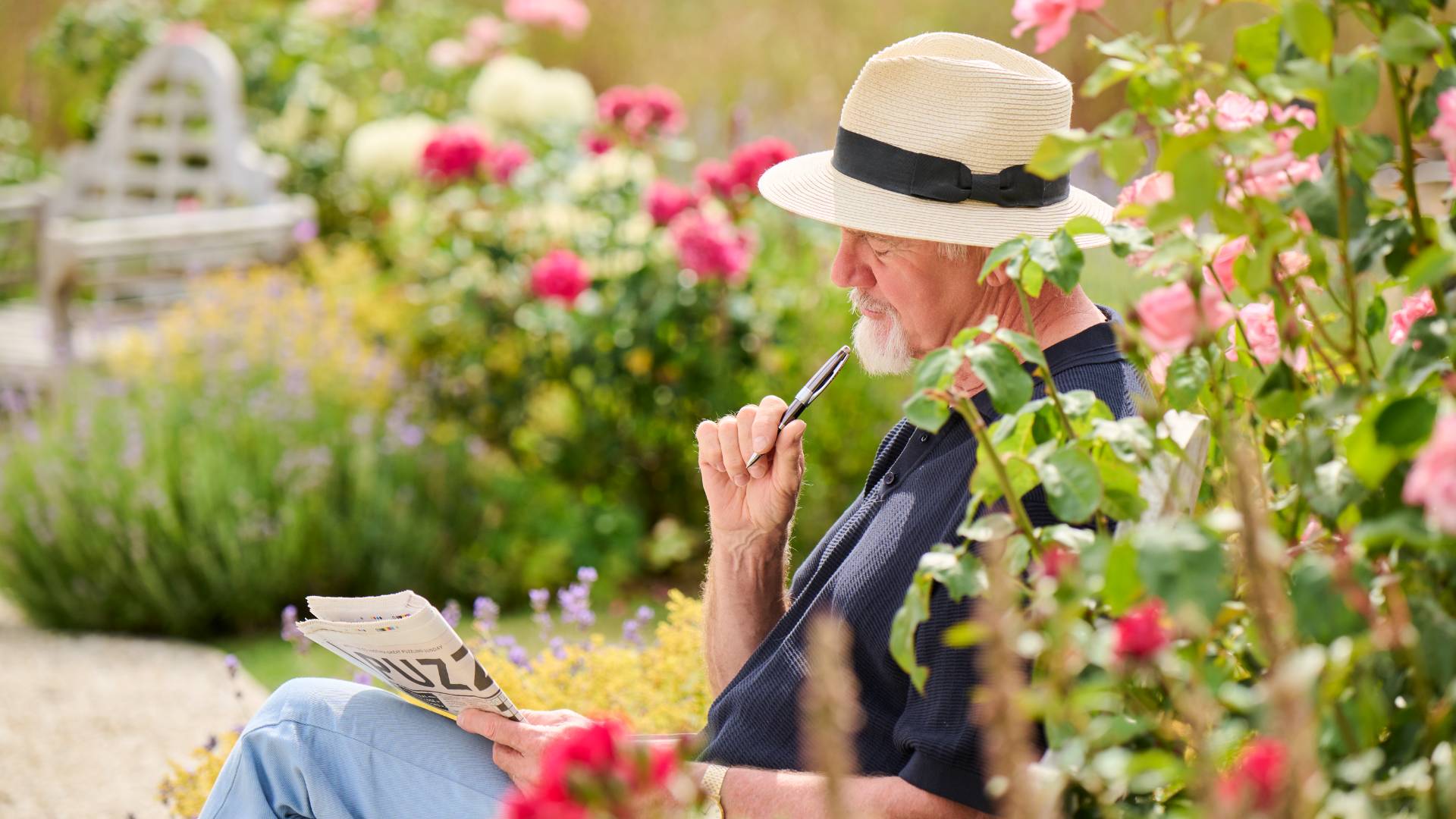
I ‘right-sized’ into a two-bedroom apartment which is easily maintained and perfect as a ‘lock up and leave’ when I travel abroad. I still work, teach fitness classes mostly populated by women over the age of 50, attend weekly Italian lessons in the local area, eat what I like, watch whatever films or television programmes I want and am able to enjoy quiet time reading.
Last April, I went to Venice with 11 other single women and had a fabulous time – two of us took a cookery course while we were there. Many of my friends of a similar age agree that there are benefits to living alone.
One member of my new social circle commented that she had never had female friends she could go out for coffee or lunch with because she had spent all her life working and, as ‘the boss’, always seemed to be excluded from her employees’ friendship groups. Now, also aged 68, she has a host of new friends and a very active social life, going out for coffee, drinks and dinner, as well as theatre trips and weekends away with the other single women she met at her fitness classes and the local archaeology society.
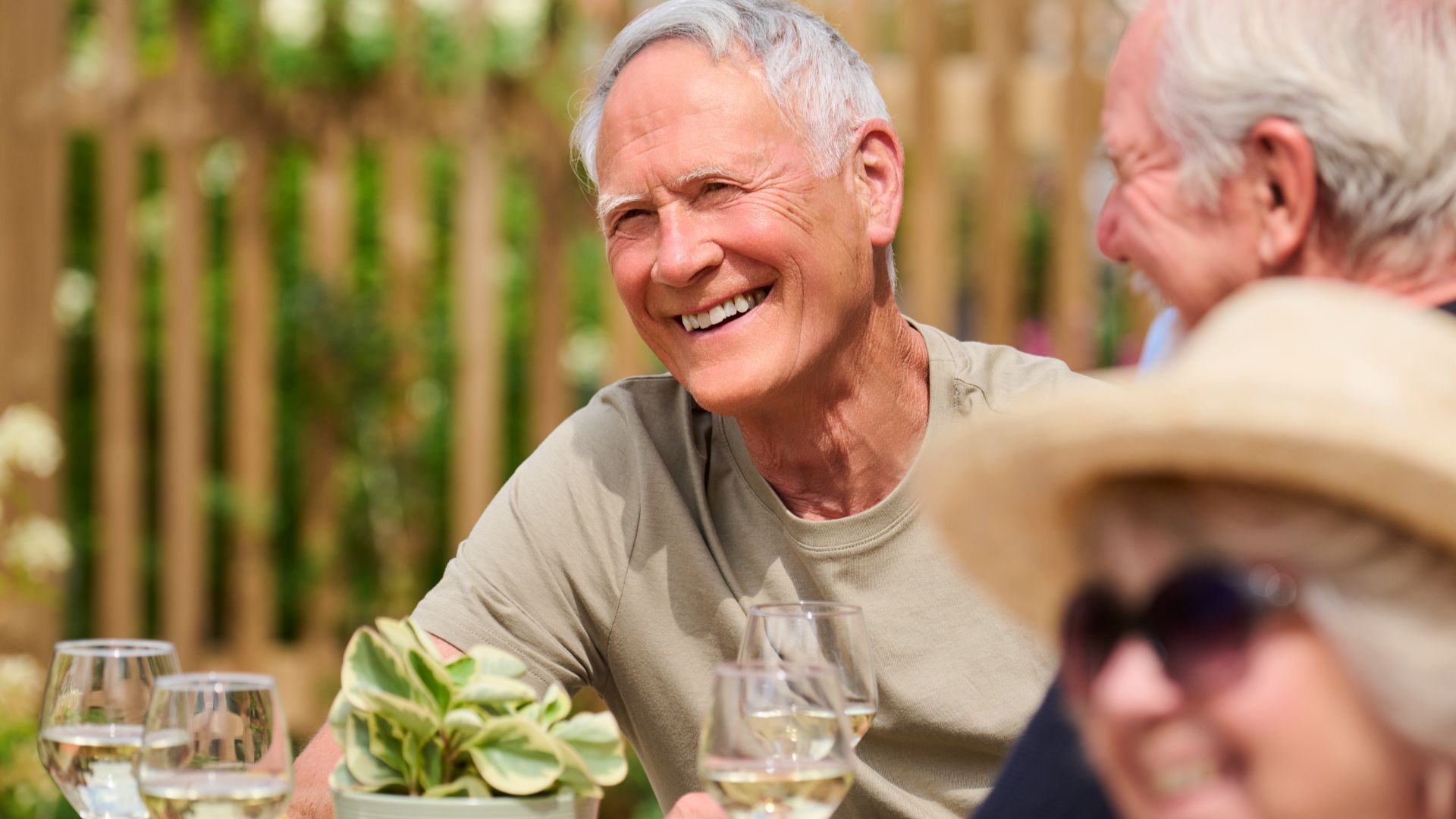
Today, there are so many opportunities open to singles in terms of travel, social groups and activities. There are local and national friendship groups, walking and cycling groups, fitness classes, organised group holidays, weekend activities and volunteering opportunities – all of which provide ways for retired singles to connect, explore and belong.
Moving to a retirement development, such as a Beechcroft development, means being at the heart of a community of like-minded people. The Beechcroft team has witnessed strong friendships being formed through coffee mornings, dog-walking groups, craft days in communal lounges and visits to WI and U3A events.
Whether you discover a new community on your doorstep or have to go out and make new social connections, making new friends can be daunting at first but also very rewarding.
Local social groups are an excellent way to meet people in the community who share similar interests. Whether you’re interested in local history, languages, art, literature or creative writing, there are likely to be plenty of options in your local area – and daytime sessions often attract more people who are retired or working part-time.
The University of the Third Age: This national organisation offers classes and social groups for people who are no longer in full-time work. Topics include history, art and languages. There are over 1,000 U3A branches in the UK and activities are member-led. If you have a particular skill, you can also share it by setting up your own interest group. Find out more at u3a.org.uk.
Meetup: Enter your location and interests to find nearby events, from book clubs to walking groups. Visit meetup.com.
Ramblers walking groups: Guided walks are available for a range of fitness levels, led by experienced walk leaders. Find a local group at ramblers.org.uk.
Dance and fitness classes: Whether you enjoy dance, yoga or Pilates, there are likely to be classes nearby. Daytime classes can be a particularly good way to meet people who are retired, semi-retired or working part-time.
Local libraries and community centres: Many host clubs and societies, knitting circles, book clubs, reading groups, bridge clubs and gatherings geared towards the over 55s.
Book groups: Independent bookshops often host reading or creative writing groups where you can meet like-minded people and discuss books or share your own work over coffee.
Join a choir or musical group: Choirs can be a great way to expand your social circle. Rock Choir has over 400 groups in the UK and offers workshops as well as opportunities to sing at charity and other events.
Volunteering is a great way to give back to the community at the same time as meeting new people. Most charities are keen to involve volunteers of all ages. You might volunteer at a local hospital or hospice, charity shop, food bank or community kitchen.
If you enjoy history or gardening, think about volunteering for the National Trust or English Heritage. Opportunities can include welcoming visitors to historic houses, working in unique outdoor places, storytelling and interpretation or conservation work.
Take a look at English Heritage volunteering and National Trust volunteering. Towns with historic churches or cathedrals may also have volunteering opportunities.
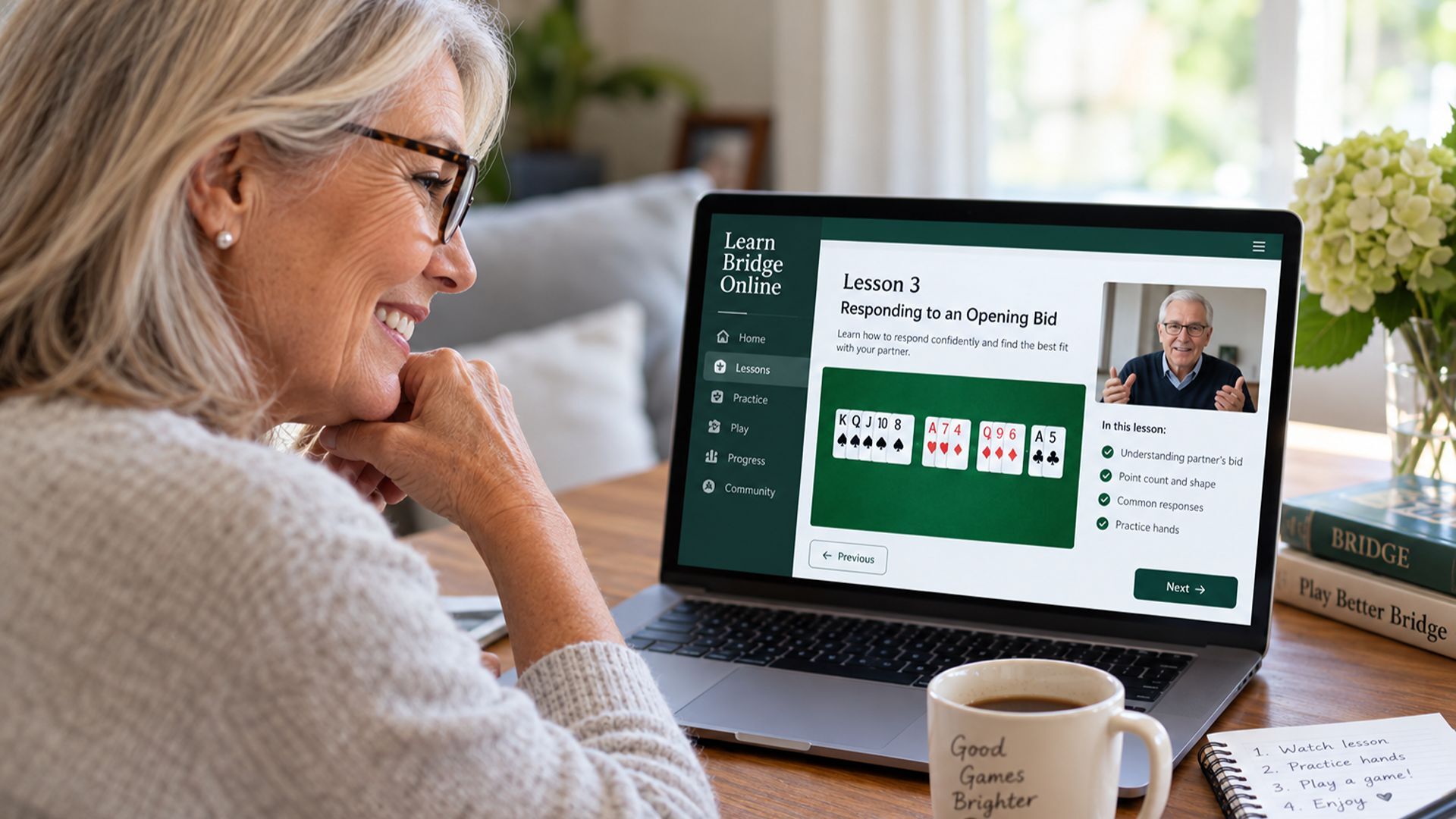
If you’re unable to travel far or go out and join a group, there are plenty of online groups you can join. Take a look at our blog on online learning opportunities and you might find something to catch your interest.
The idea that it’s difficult for older people to go on holiday alone is a misconception. In truth, many older people are open to solo travel and can find it extremely rewarding. If you’re single, you can choose where you go and how long you stay, as well as what you want to do while you’re away.
There are specialist solo travel operators that provide guidance and support, as well as information on how to avoid single supplements. If you don’t want to go on a longer holiday, many coach companies also offer day tours to interesting places, giving you a chance to get out and about and socialise.
One Traveller: Escorted solo holidays for single people over 50, with no single supplements. The company offers holidays across Europe, Asia, Africa and North and South America, including city breaks, cruises and relaxing destinations. Visit onetraveller.co.uk.
Solos Holidays: Options include walking and hiking holidays, beach breaks, European breaks and adventures further afield. Visit solosholidays.com.
Explore: Small-group solo tours for people aged over 50 and of varying abilities, with a wide choice of holidays in the UK and abroad. Visit explore.co.uk.
If you’re single, why not emphasise the positive by celebrating in some way? Here are a few ideas:
29 September 2026
World Heart Day is a reminder to look after cardiovascular health. This guide covers heart-healthy eating, exercise, stress reduction,…
Read more23 September 2026
Elegant residents' lounges and guest suites can add real value to retirement living, offering places to connect with neighbours…
Read more17 September 2026
Five practical ways to support mental health in retirement, including staying active and connected, building a routine, eating…
Read more