.jpg)
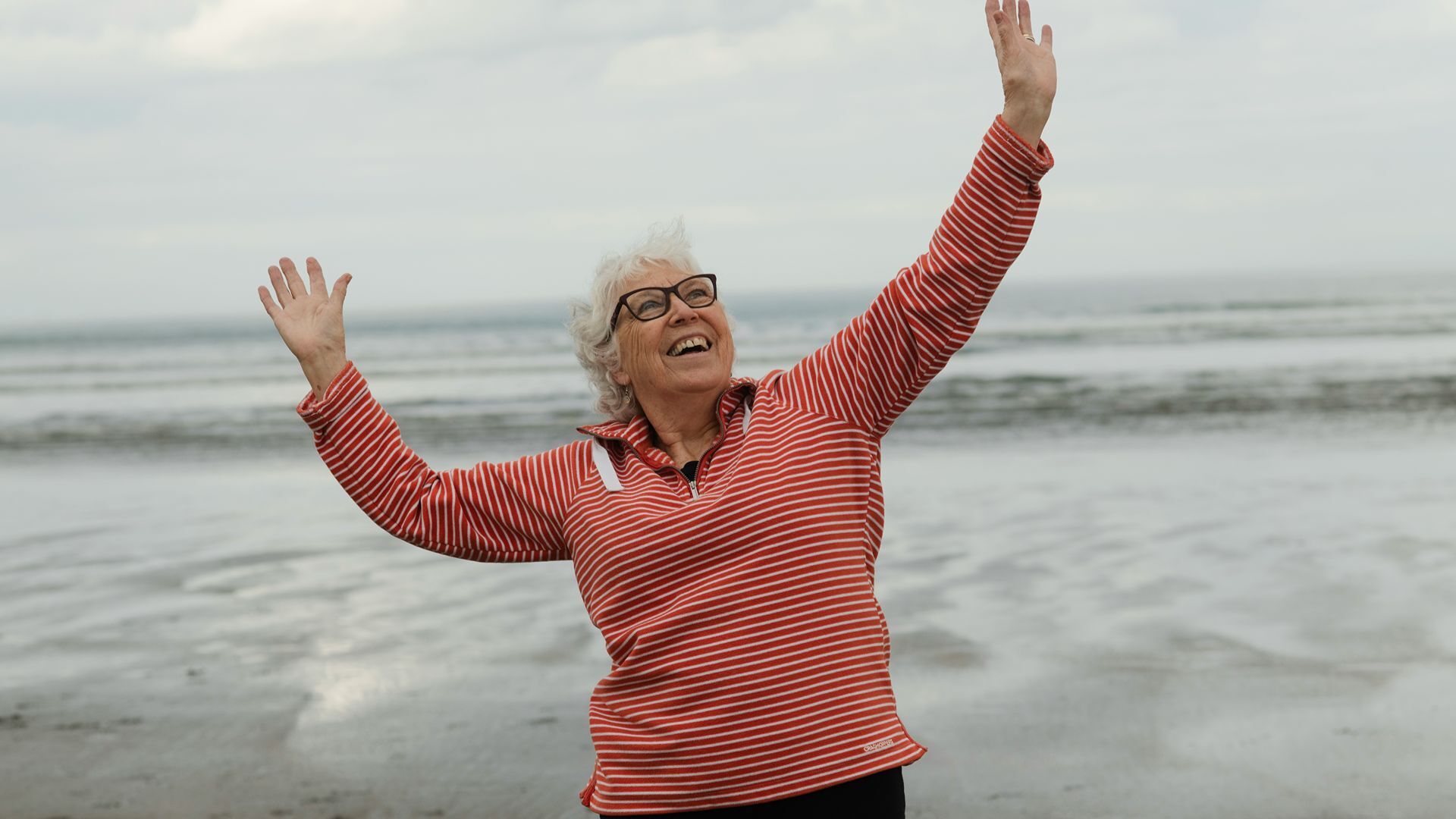
Five practical ways to support mental health in retirement, including staying active and connected, building a routine, eating well and continuing to learn.
World Mental Health Day takes place on 10 October each year. The 2026 theme, “Lived Experiences Heard: Real Voices, Real Change”, highlights the value of listening to people with lived experience of mental health conditions and recognising the knowledge their experiences bring.
Retirement can be an exciting new chapter, but it can also bring major changes. Leaving work, bereavement, caring responsibilities, changes to our health or simply adjusting to a different routine can all affect emotional wellbeing. Looking after your mental health is therefore every bit as important as looking after your physical health.
Here are five practical ways to support your wellbeing in retirement.
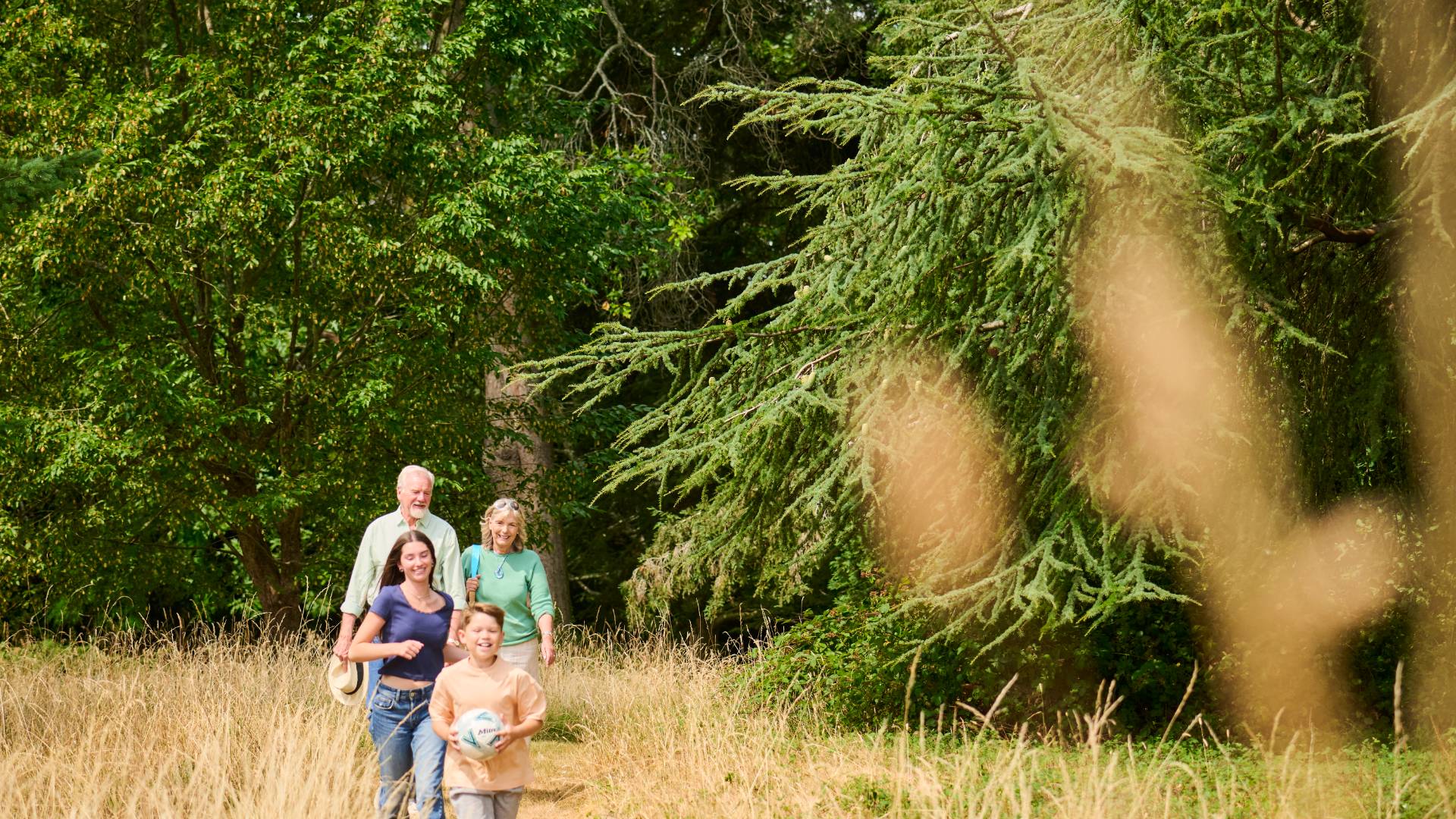
Regular physical activity can support mood, help manage stress and improve confidence and sleep. The best activity is one you enjoy and can keep doing, whether that is walking, swimming, dancing, gardening, yoga, strength work or a local fitness class.
Exercising with other people can bring an added social benefit too. A walking group, dance class or regular walk with a neighbour gives you the chance to move, talk and spend time with other people at the same time.
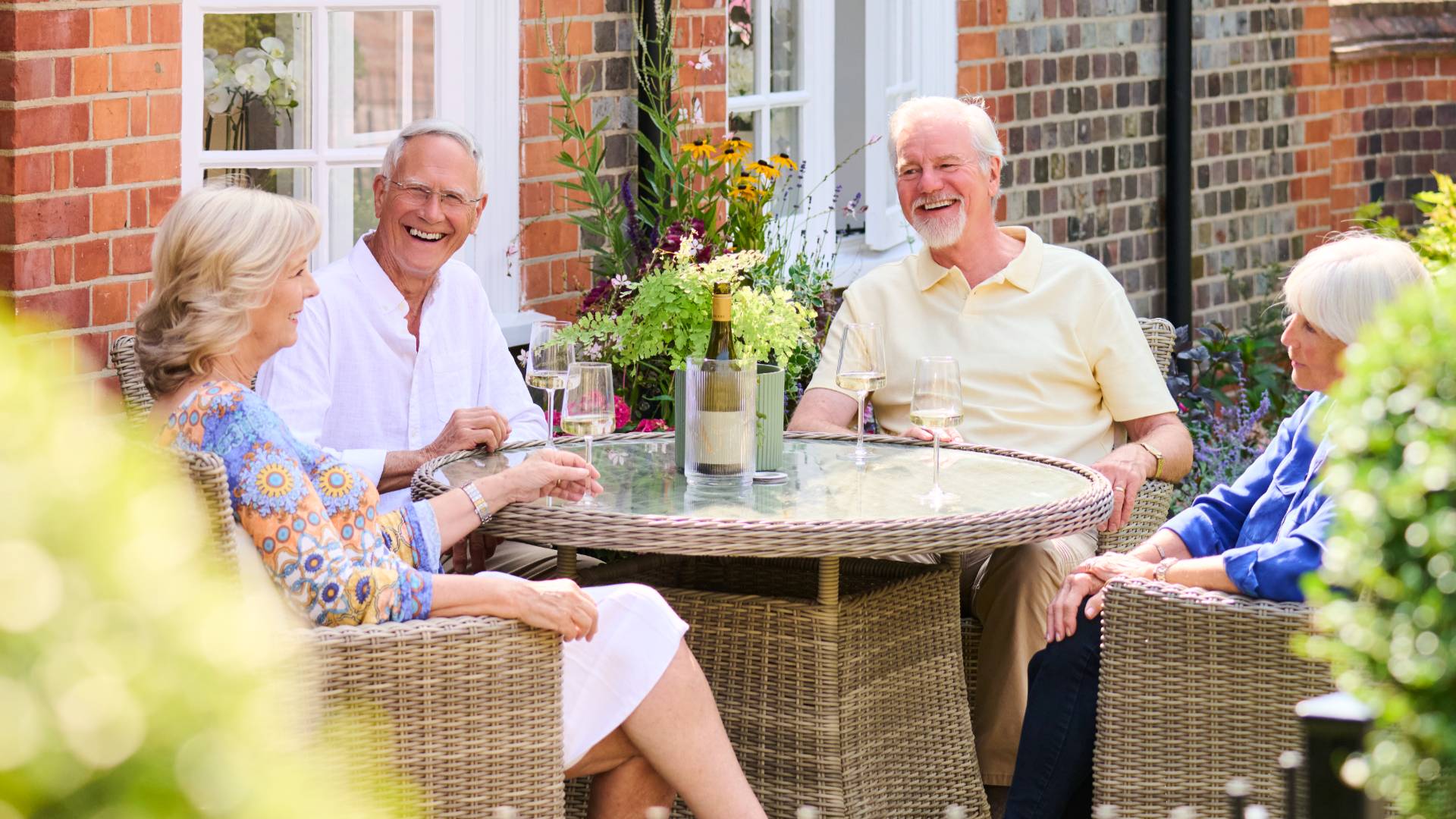
Retirement can change the social contact that once came naturally through work, while bereavement or moving home can make social circles smaller. Regular contact with friends, family and neighbours can help reduce feelings of loneliness and isolation.
Coffee mornings, book groups, walking groups, volunteering and local classes all create opportunities to meet people. At Beechcroft, many homeowners find that living within a community of people at a similar stage of life makes it easier to get to know neighbours, while still keeping complete independence and privacy.
“When you have young children, you tend to make friends with other parents at the school gates. As you get older, you do have to make the effort and it’s easier when you live somewhere like Fonthill Gardens, Beechcroft’s over 55s’ development in Reigate, which has a great sense of community.”
Mrs Sue Brankin
Find out more about community life at Beechcroft.
A little structure can make the transition into retirement feel more settled. Regular mealtimes, exercise, hobbies, social plans and time to relax can give each day a reassuring rhythm.
Try not to fill every hour. Building in some flexibility means you can enjoy spontaneous invitations, family visits and quieter days without feeling that your routine has been disrupted.
What we eat can affect our overall health and wellbeing. A varied diet built around fruit and vegetables, wholegrains, protein sources and healthy fats helps provide the nutrients the body and brain need.
The source article highlights foods containing omega-3 fats, B vitamins, magnesium, vitamin D and antioxidants, including oily fish, nuts and seeds, leafy greens, eggs, lentils, avocado, fruit and vegetables.
For practical guidance, take a look at the NHS Eatwell Guide and the Mental Health Foundation’s information on diet and mental health.
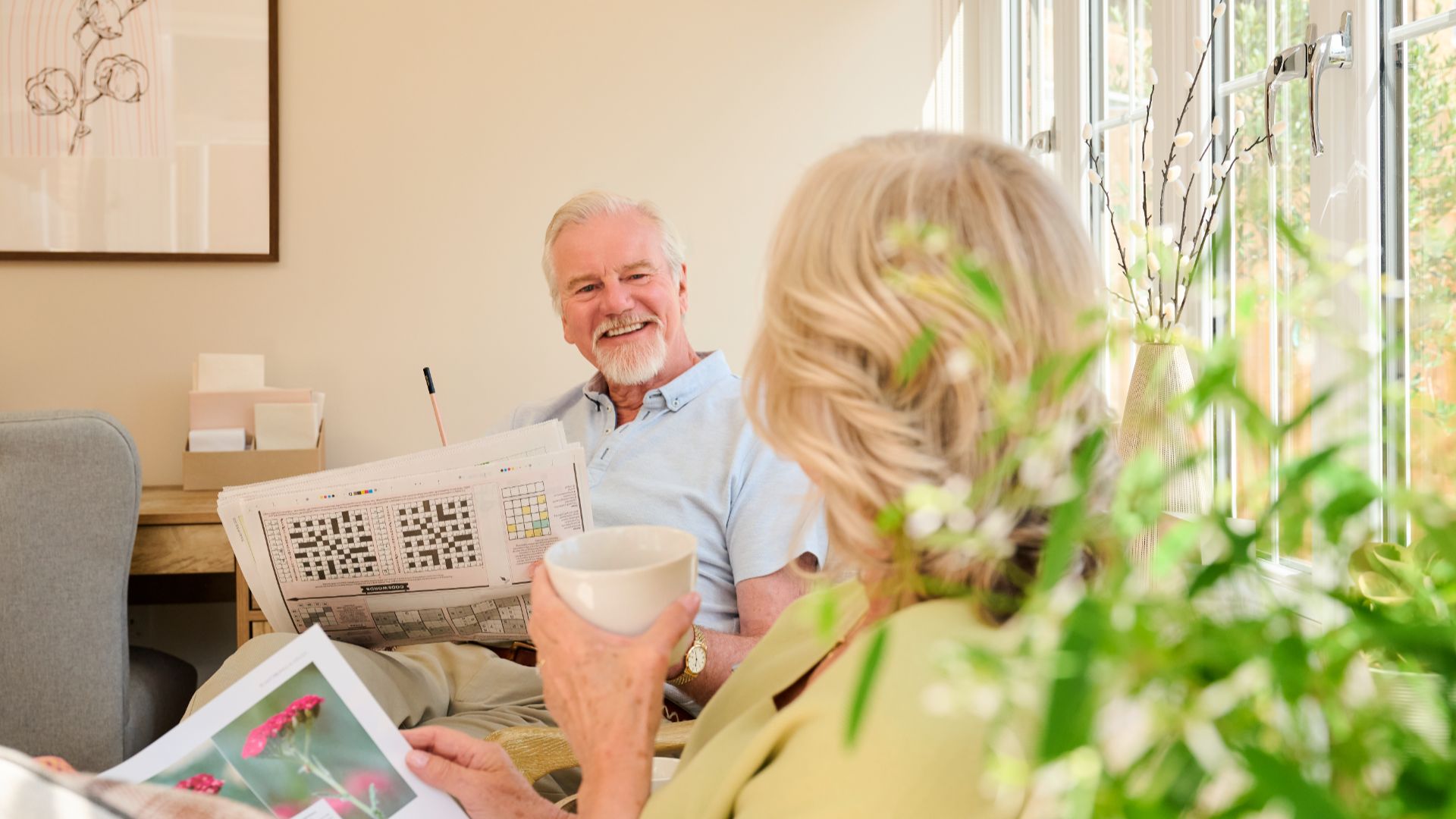
Learning gives your days purpose and keeps your mind engaged. Reading, puzzles, a new language, bridge, painting, dancing, digital skills or another hobby can all provide a sense of progress and achievement.
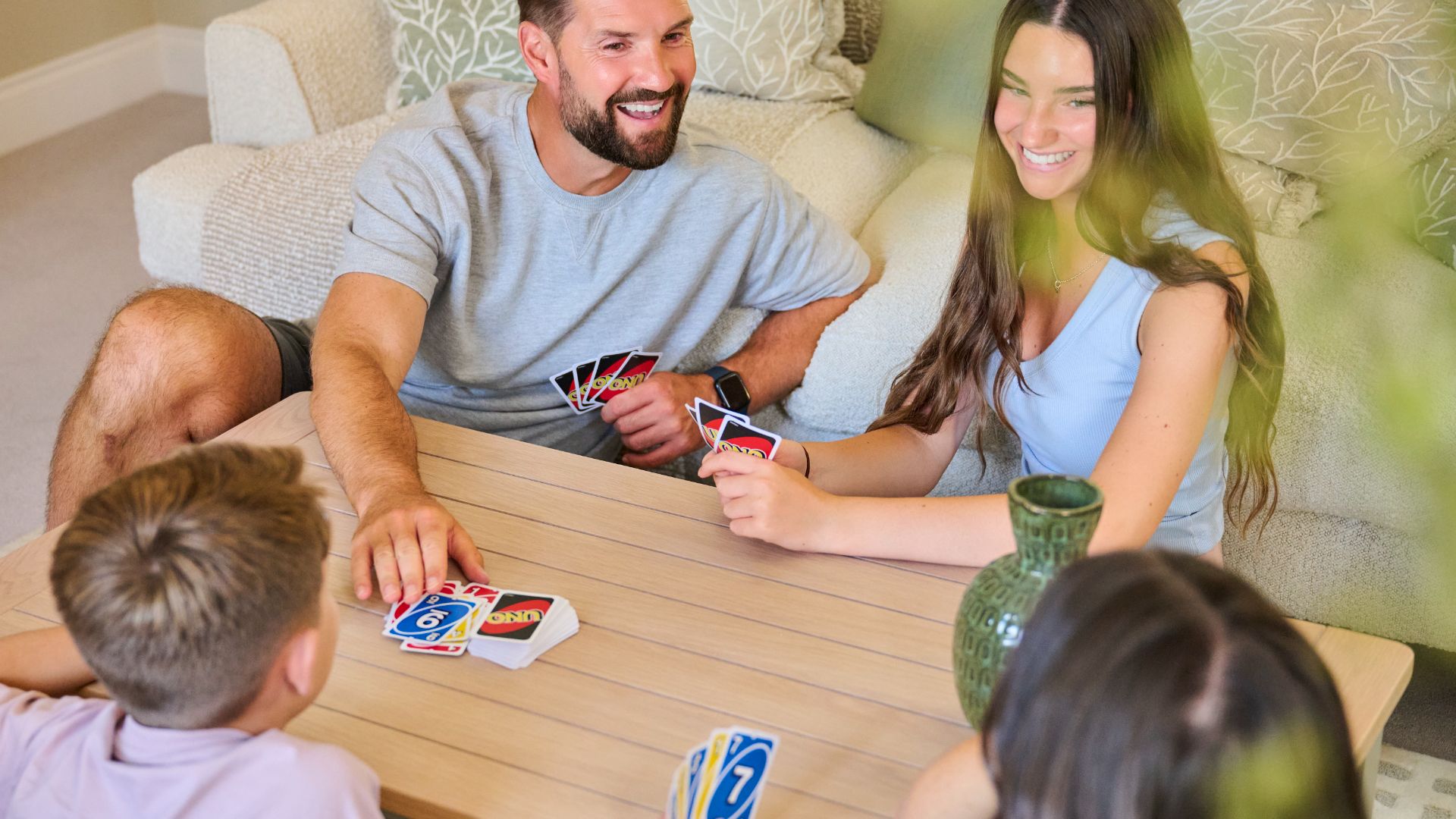
Learning with other people can be especially rewarding because it combines mental stimulation with regular social contact. If you are looking for ideas, our online learning in retirement guide includes suggestions ranging from languages and bridge to cookery, digital skills and virtual cultural tours.
There will be times when a difficult day or a period of low mood passes on its own. However, it is important to ask for help if how you are feeling persists or starts to affect everyday life.
Signs that it may be time to speak to your GP or a mental health professional can include persistent feelings of hopelessness or sadness, losing interest in activities you normally enjoy, withdrawing from other people, difficulty concentrating, changes to sleep or eating habits, or feeling that nothing matters.
If you need urgent mental health help in England, NHS 111 can direct you to the right support. If there is an immediate risk to life, call 999 or go to A&E. You can also call Samaritans on 116 123, free, at any time of day or night.
This article provides general wellbeing information and is not a substitute for professional medical advice.
16 September 2026
From adventure and cultural holidays to Golden Gap Years, solo travel and skip-gen trips, discover the travel trends shaping later…
Read more15 September 2026
Discover the benefits of online learning in retirement, from languages and digital skills to cookery, bridge, book clubs and virtual…
Read more30 June 2026
Discover five great reasons to retire to Chinnor, from its friendly community and local amenities to scenic Chiltern Hills countryside,…
Read more