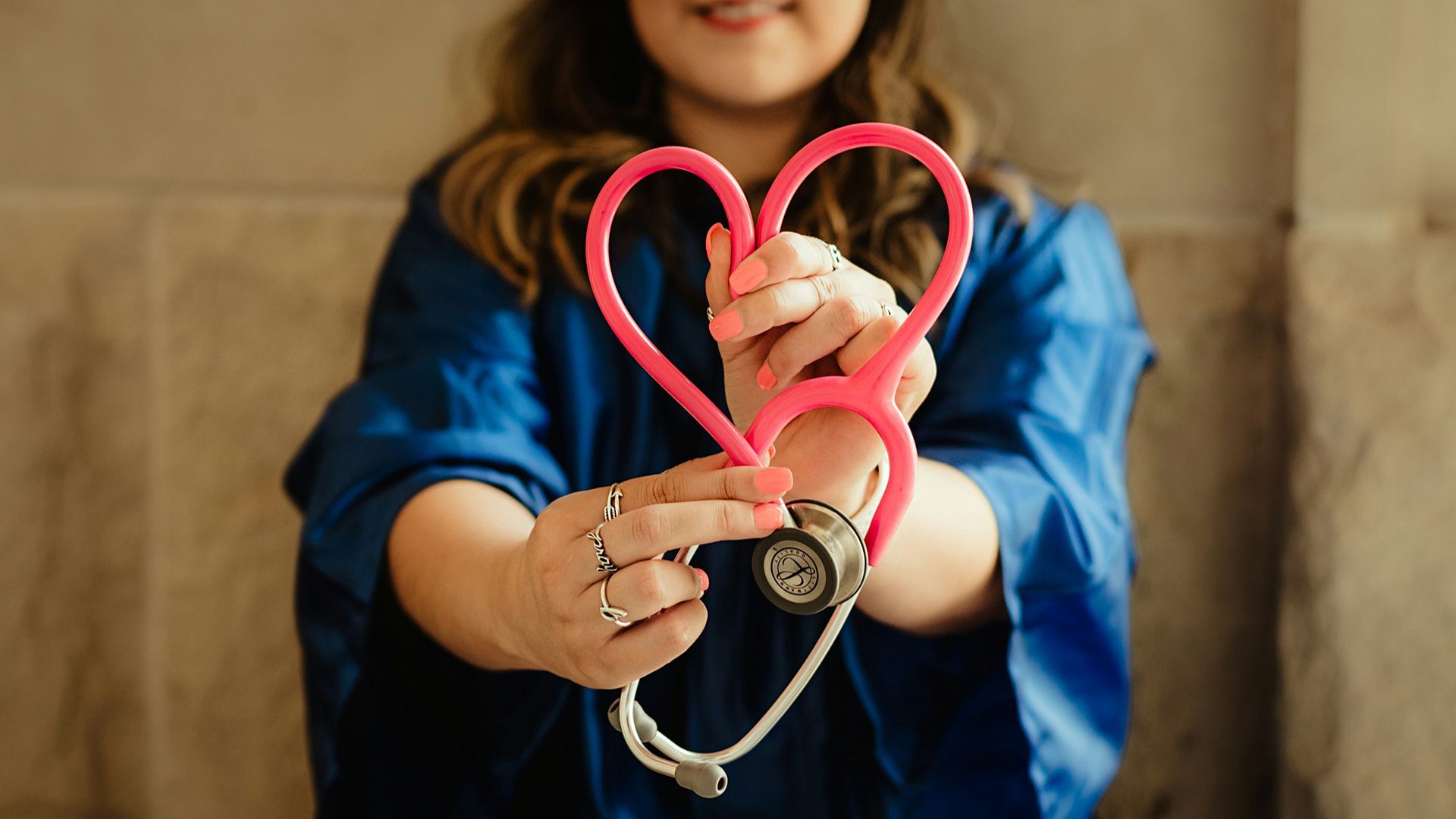
World Heart Day is a reminder to look after cardiovascular health. This guide covers heart-healthy eating, exercise, stress reduction, sleep and blood pressure checks.
World Heart Day, the brainchild of the World Heart Federation working with the World Health Organisation, is celebrated on 29th September. The aim was to raise public awareness of cardiovascular diseases, including coronary heart disease and stroke. Many of the signs of cardiovascular disease go unnoticed until it’s too late and the disease can affect anyone, regardless of age, fitness or lifestyle. According to the World Heart Federation, one in three people are killed by heart disease, with one in five dying prematurely. Most heart disease, however, can be prevented or managed by making small, consistent changes to significantly improve heart health over time.
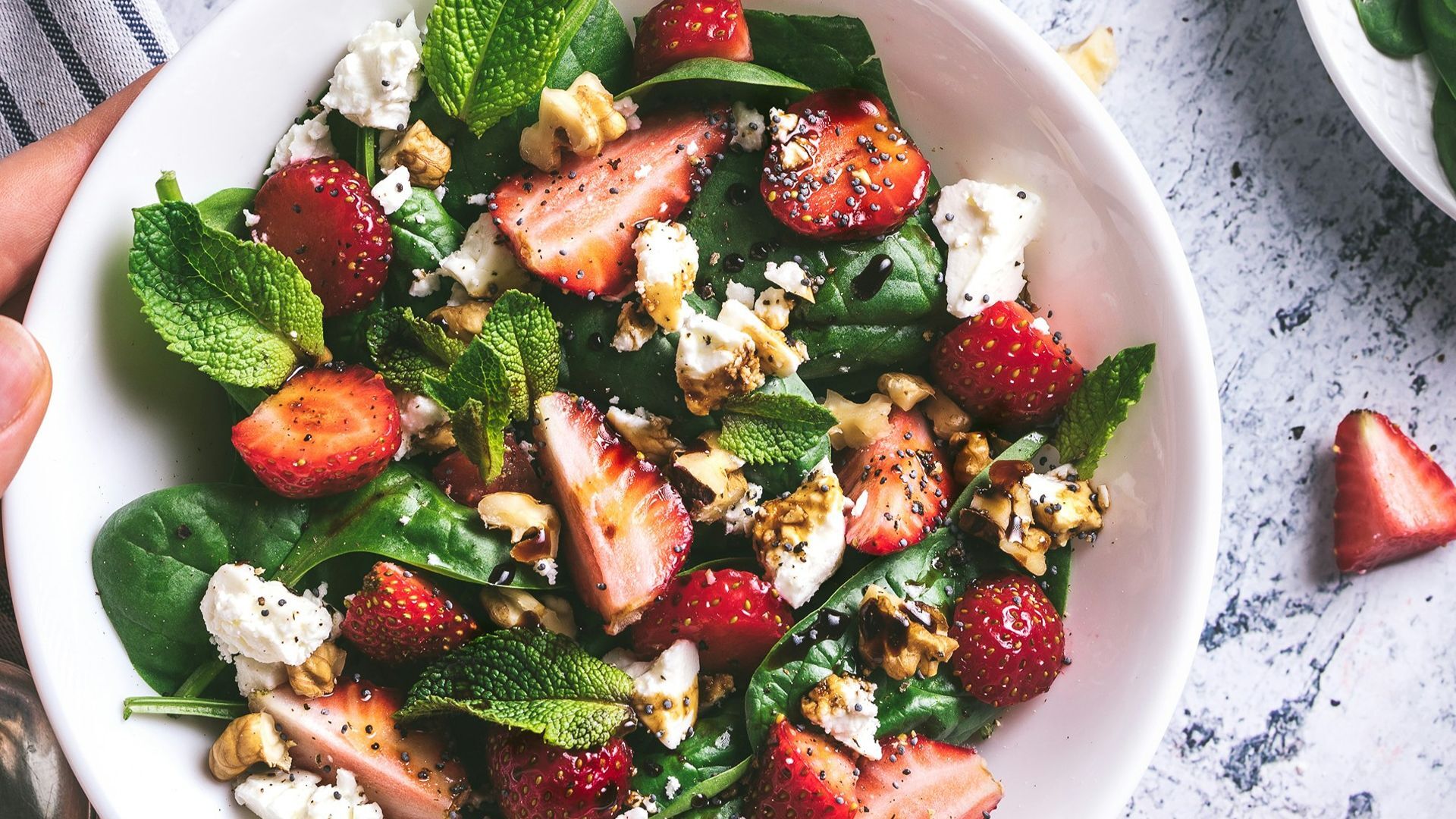
A healthy diet is one of the most important factors in preventing the risk of cardiovascular disease. The best diet is one with lots of fruit, vegetables, nuts and whole grains with limited amounts of sugar, salt and fats – particularly saturated fats and trans fats.
Research reveals that regular physical activity can lower the risk of coronary heart disease, stroke and Type 2 diabetes. It strengthens the heart muscle and improves blood flow, which is essential for cardiovascular health, it can help decrease blood pressure reducing the strain on the heart and it can lower the levels of harmful cholesterol in the body and raise the levels of good cholesterol. Of course, being active also improves mood, reduces stress and increases energy levels, making you feel better. But what type of exercise is best for the over 55s?
Walking is one of the simplest, effective and inexpensive ways to improve heart health, especially if you’re new to exercise. Taking a walk outdoors also helps you connect with nature, which is good for your overall wellbeing. Age UK has a walking programme which encourages inactive older adults to become more physically active. Better Me also offers a comprehensive guide to starting a safe and effective walking programme for older adults, but there are many more on the internet.
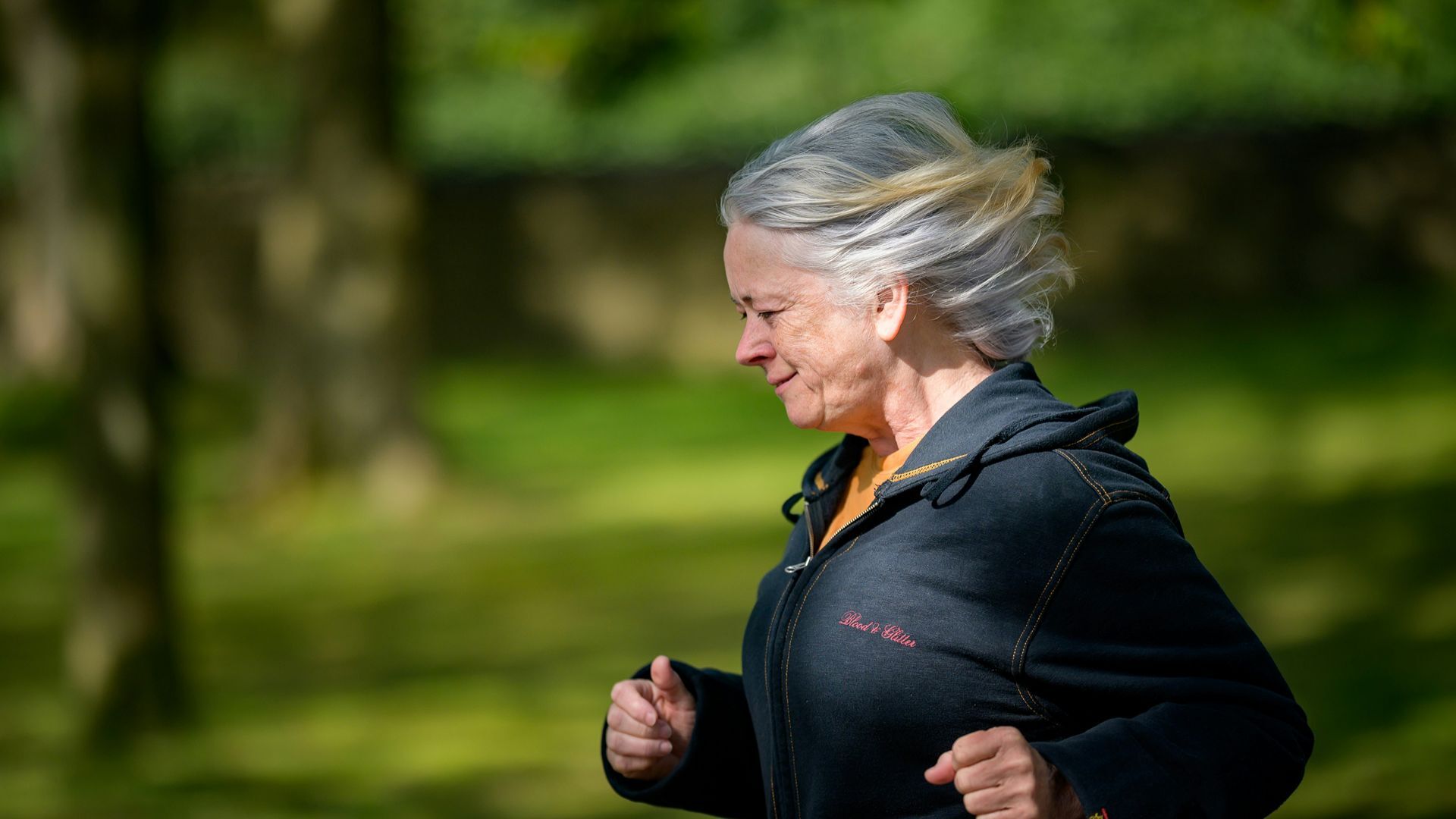
Swimming, dancing, cycling and running are all excellent exercises helping to increase heart rate and improve overall cardiovascular fitness – they can also help with balance which is important if you are to avoid falls in later life. It is recommended that older adults aim for at least 150 minutes of moderate-intensity aerobic activity each week. Ideally this will be spread over at least three sessions with moderate activity being when your heart rate and breathing increase but you’re still able to chat. It’s really important to make sure you have a warm-up (usually about 10 minutes) and a cool down with gentle stretching of the same duration.
In almost every area of the UK, you’ll find exercise classes that provide an excellent workout whether you enjoy aerobics or dance-fitness classes such as Zumba, Fitsteps or the West End workouts of Chichi-Fit. Most of the dance-fitness brands offer ‘Gold’ or ‘Encore’ classes designed for older adults and people returning to exercise and there are an increasing number of chair-based classes which still provide a good workout. There are plenty of classes on the internet and on YouTube but I would always recommend going to a class where you are working with an instructor.
Building muscle strength through resistance training, lifting weights or bodyweight exercises can help strengthen the heart muscle and improve overall fitness. Adults lose up to 8% of muscle mass every decade after the age of 30 and that speeds up after the age of 60. Most people don’t notice that’s happening until they fall or getting out of a chair requires effort. Resistance or strength training helps slow that decline. Not only does it help the heat it directly counters sarcopenia, which is the gradual loss of skeletal muscle mass that becomes significant after the age of 60. If you’re beginning a strength training programme, it’s wise to book a few sessions with a full qualified personal trainer – usually to be found at a local gym although many PTs work independently and will advertise. A trainer can provide a tailored strength training programme, ensure proper technique and offer motivation and support.
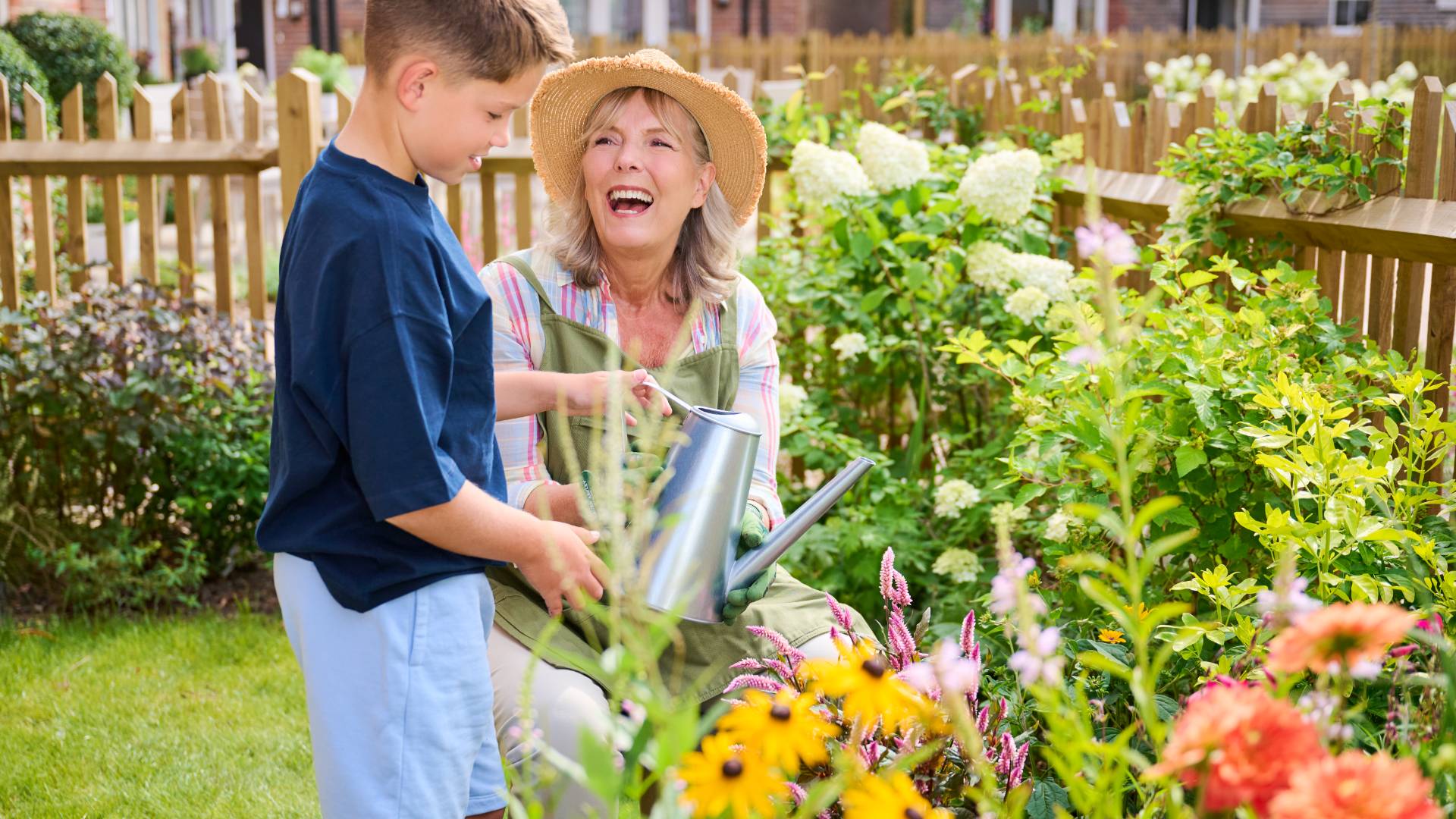
Climbing the stairs, doing household chores and gardening are all low impact exercises which can be counted in your 150 minutes a week exercise programme.
Reducing stress is crucial for maintaining cardiovascular health and reducing the risk of heart disease. Chronic stress may lead to high blood pressure but managing stress levels through exercise, socialising and relaxation techniques, it’s possible to improve your well-being can be improved as well as reducing stress levels. From physical activity, healthy lifestyle habits, mindfulness and social support, there are so many ways to reduce stress. It is important to understand what triggers your own stress in the first place: health concerns, adjusting to retirement, caregiving, loss of a loved one. There are support groups and guidance to help with all these. Relate provides counselling and support for those adjusting to retirement. Age UK offers a range of services to help with retirement planning including financial advice and staying active and social). Age UK, Cruse Bereavement Car and Marie Curie all offer counselling, helplines, local groups and practical guidance for those coping with grief and loss.
In addition to the stress-busting ideas below, listening to music and pet ownership have both been linked to lowered blood pressure. How about treating yourself to a regular massage session or a day at a spa?
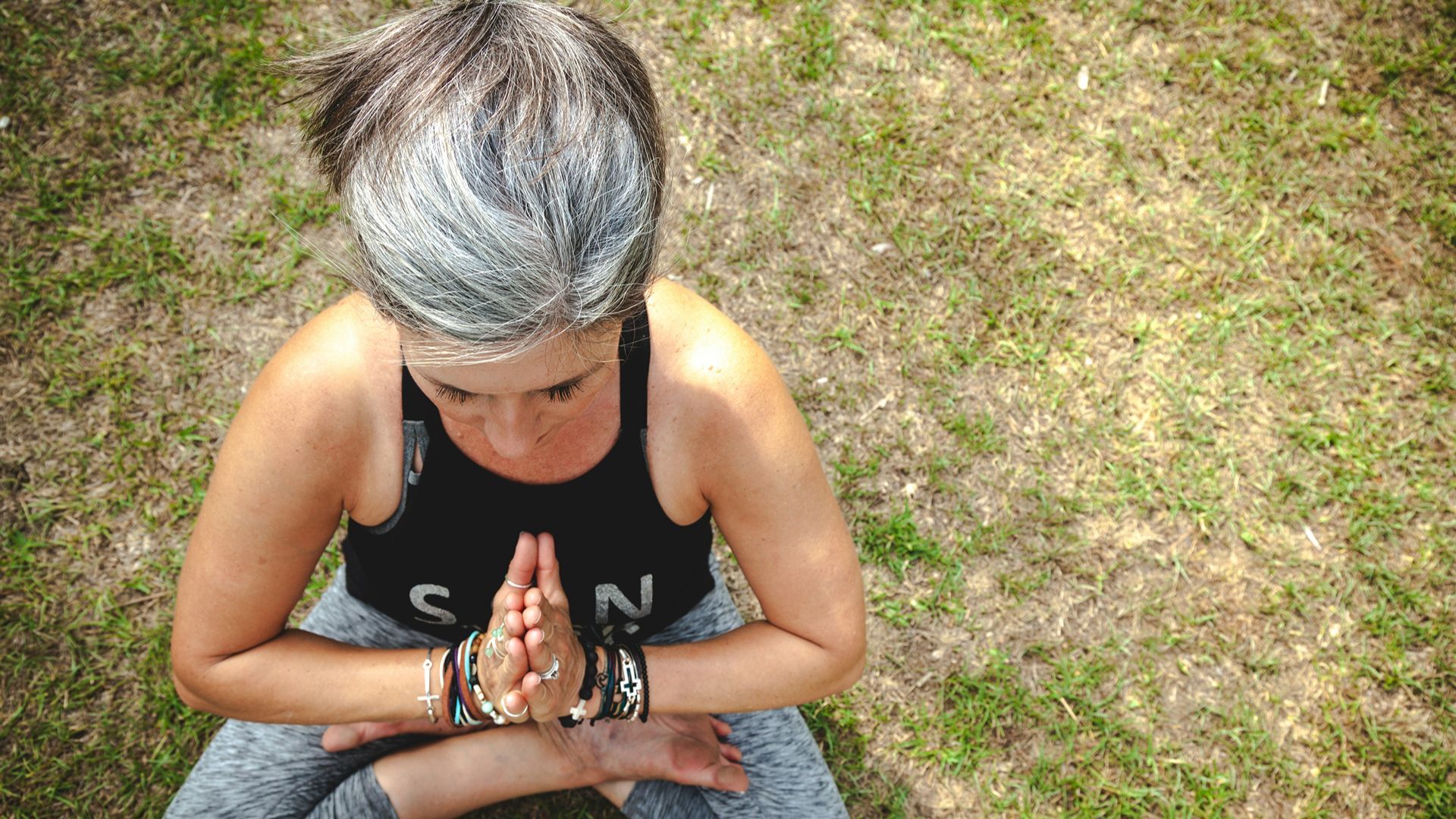
Regular exercise is an excellent way to destress particularly yoga, Pilates and Tai Chi. Yoga focuses on brining the body, mind and spirit together through poses, breath control and meditation, which calm the nervous system and reduce stress hormones. Pilates, with its emphasis on core strength, stability and controlled movements can improve posture and body awareness and also promotes relaxation and mindfulness which helps reduce stress. Tai Chi combines flowing movements with deep breathing and mental focus, helping balance and relaxation and reducing cortisol levels in the body. If any fitness studios or community settings are offering Sound Baths, do go along. A sound bath, using the vibrations of a large gong or drum, seems strange at first but it is very relaxing.
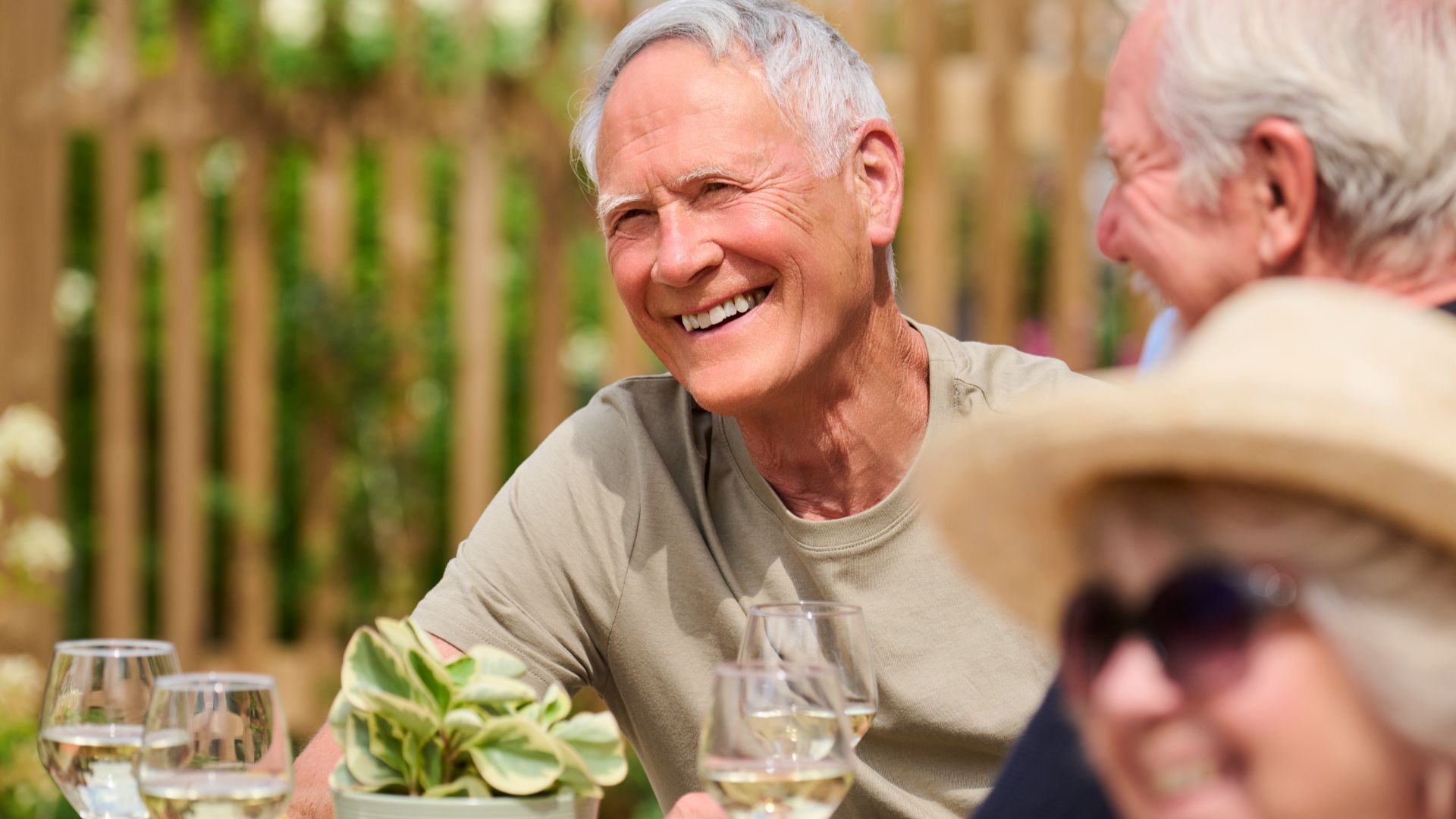
Maintaining social connections is not just good for mental well-being, it’s essential for heart health. Studies show that loneliness can increased the risk of heart disease by up to 51% and laughter is certainly stress-reducing. If you’re keen on improving your fitness, joining a local exercise group, a walking or cycling group or fitness class will help you make new friends. Take a look at our blog on ‘National Singles Day’ and you’ll find lots of ideas for increasing your social circle – whether you’re single or living with a partner or spouse.
When we sleep, our blood pressure naturally decreases providing a necessary rest for the heart. Lack of sleep prevents this happening, leading to raised blood pressure. Poor sleep also increases the levels of stress hormones, including cortisol, and promotes inflammation in the body and it also disrupts hunger hormones, leading to increased cravings for unhealthy food and weight gain. So how do we improve our sleep?
Going to bed and getting up at the same time every day helps regulate your body clock, making it easier to fall asleep.
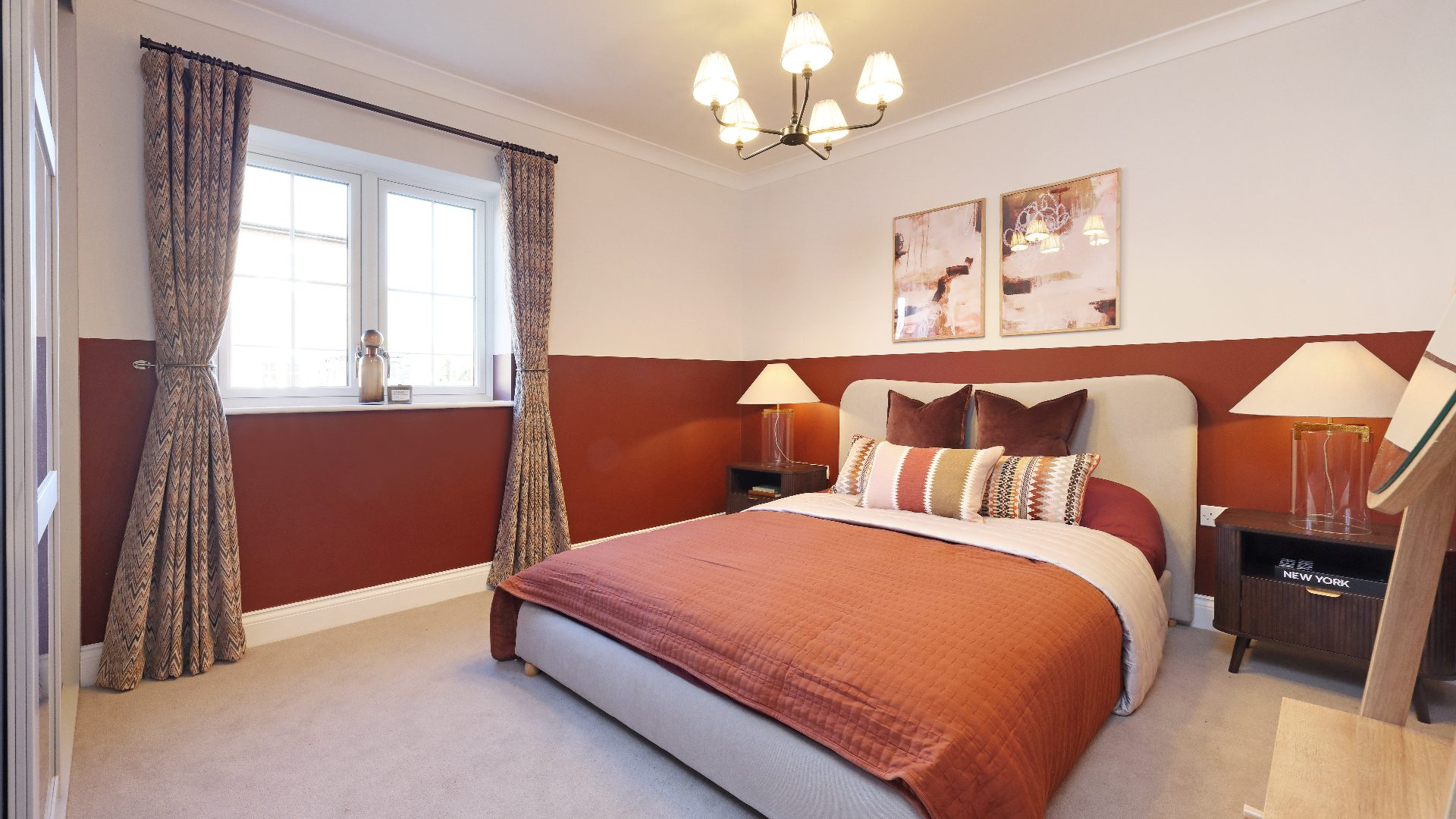
A bedroom that is cool, dark and quiet promotes the release of melatonin and deeper sleep. Consider blackout curtains or a sleep mask. Comfortable bedding, supportive mattresses and pillows that relieve pain or pressure points can enhance sleep quality.
Although many sleep experts advise keeping mobile phones away from the bedroom, I always find that sleep stories, sleep meditation or soft music help me sleep. Make sure you choose the sleep stories on YouTube or any of the similar sites are designed to help you sleep and don’t end with loud voices or music. Personally, I find Gregorian chants very soothing. It’s also possible to access meditation and relaxation sessions online – again, choose those designed as guided sleep meditations.
Caffeine, nicotine and alcohol can all disrupt sleep patterns and, as we age, we metabolise these more slowly so avoid caffeine and nicotine in the afternoon and evening and limit alcohol which may help you fall asleep but is linked to nighttime awakenings. Drinking herbal teas such as chamomile or tart cherry, taking magnesium and low-dose melatonin may also support relaxation and sleep but do speak to your healthcare professional before taking either.
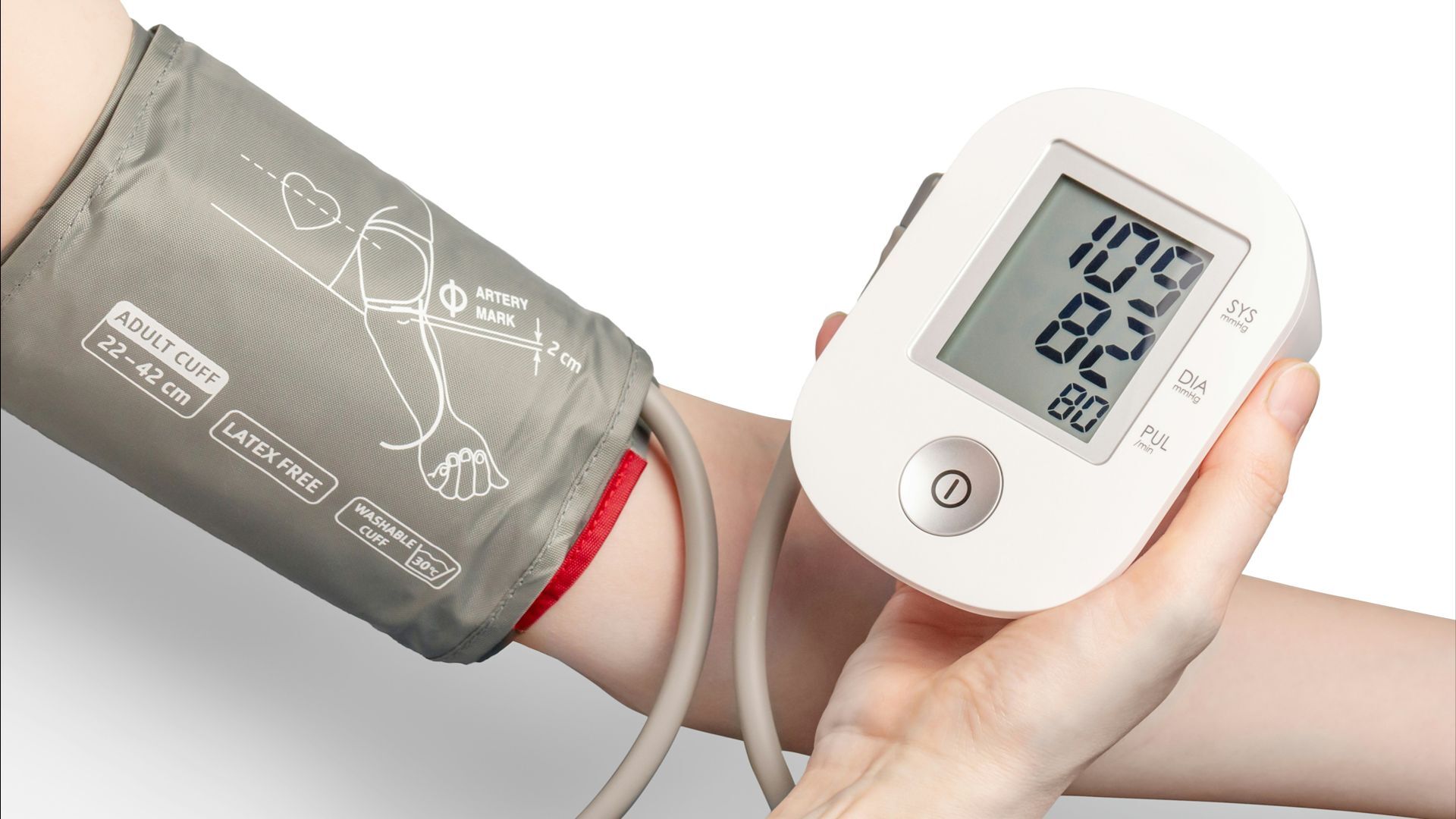
Those of us over the age of 50 are advised to check our own blood pressure regularly – or to call into a pharmacy and get someone to check it for us. A recent study has revealed that less than half of people aged 50 to 80 who take blood pressure medications regularly check their own blood pressure. There are a whole range of home blood pressure monitors on sale both in retail outlets and on the internet. If you’re unsure how to check, Blood Pressure UK has a ‘how to’ guide. If you have ‘White Coat Syndrome’ which means your blood pressure shoots up every time you even look at a monitor, try taking your blood pressure in a relaxed setting, make sure you don’t look at the first reading and then take two more – it works with me. Doctors will sometimes provide you with a 24-hour monitor which is a bit of a nuisance because of the way it inflates at intervals but it is really worth checking.
29 September 2026
Living alone in later life can bring independence, flexibility and new opportunities. Discover ideas for staying connected, pursuing…
Read more23 September 2026
Elegant residents' lounges and guest suites can add real value to retirement living, offering places to connect with neighbours…
Read more17 September 2026
Five practical ways to support mental health in retirement, including staying active and connected, building a routine, eating…
Read more