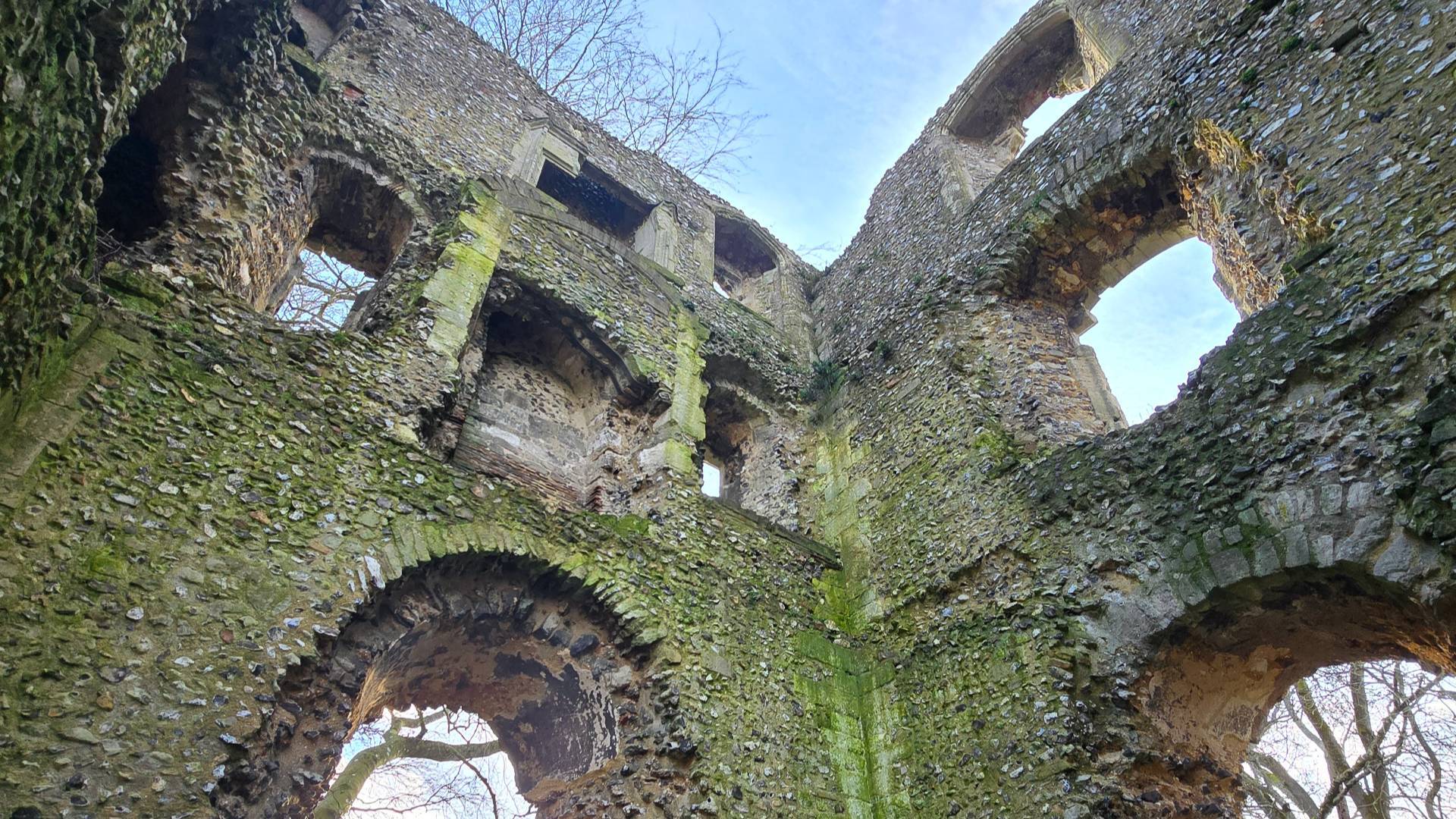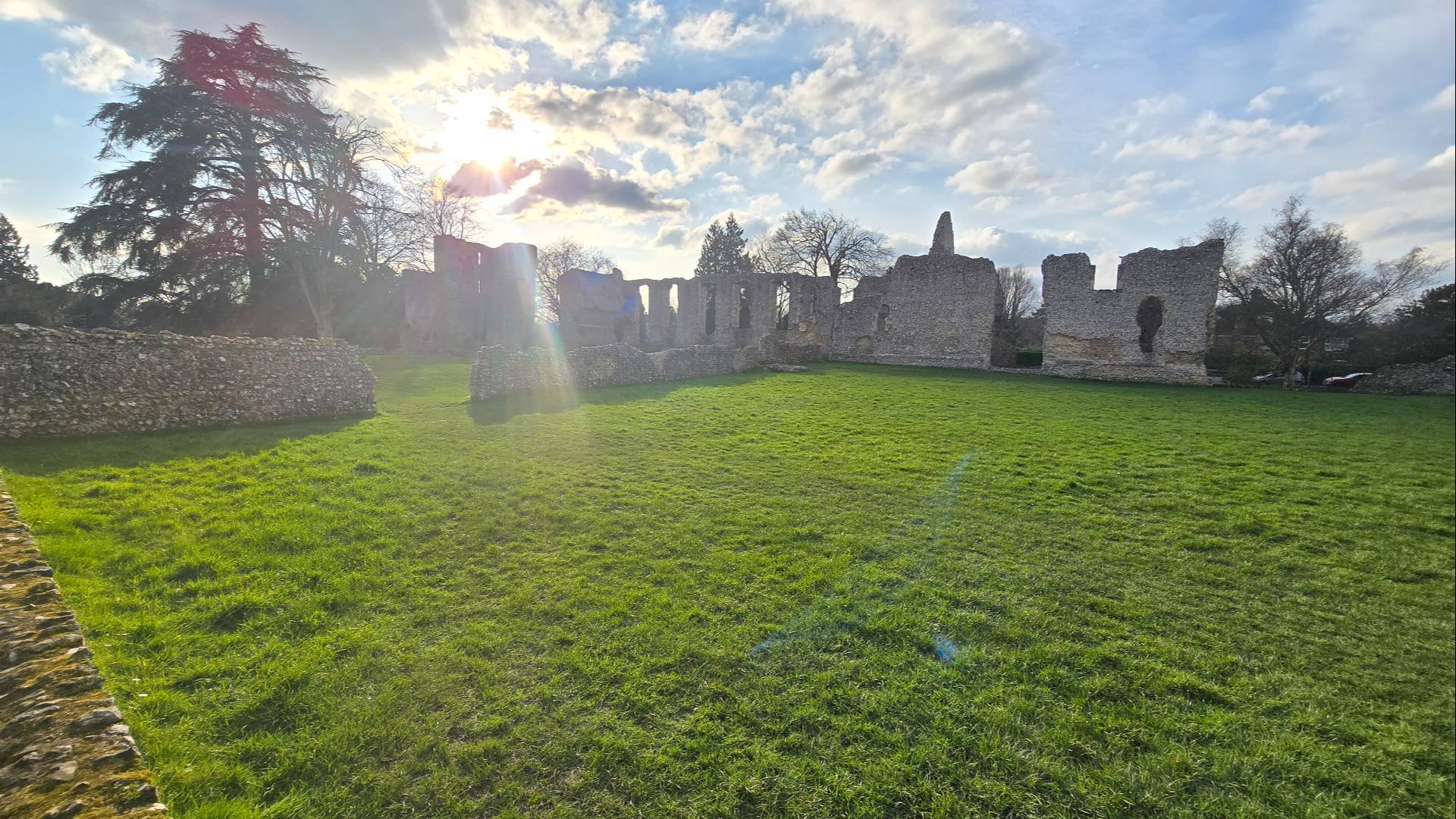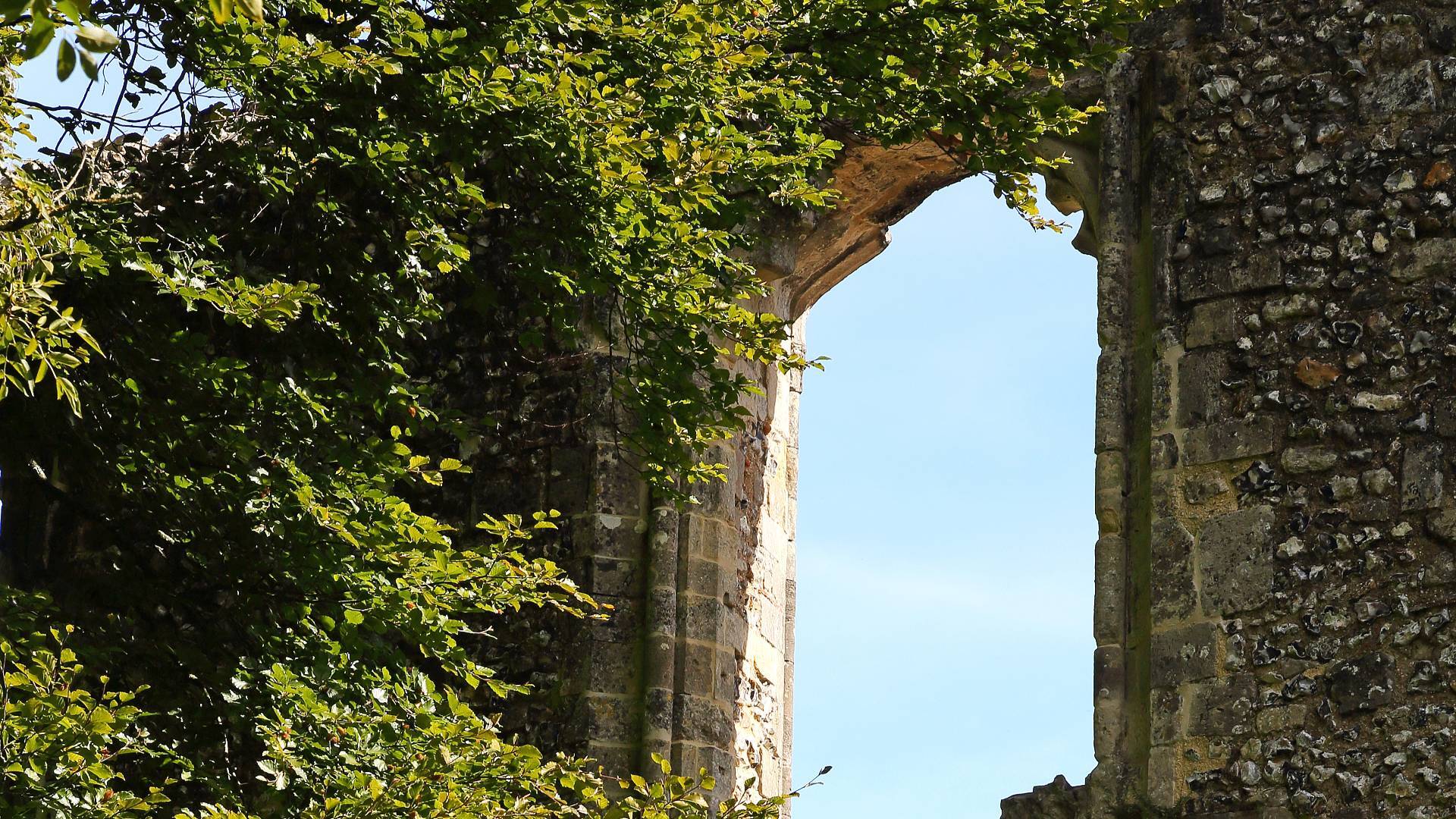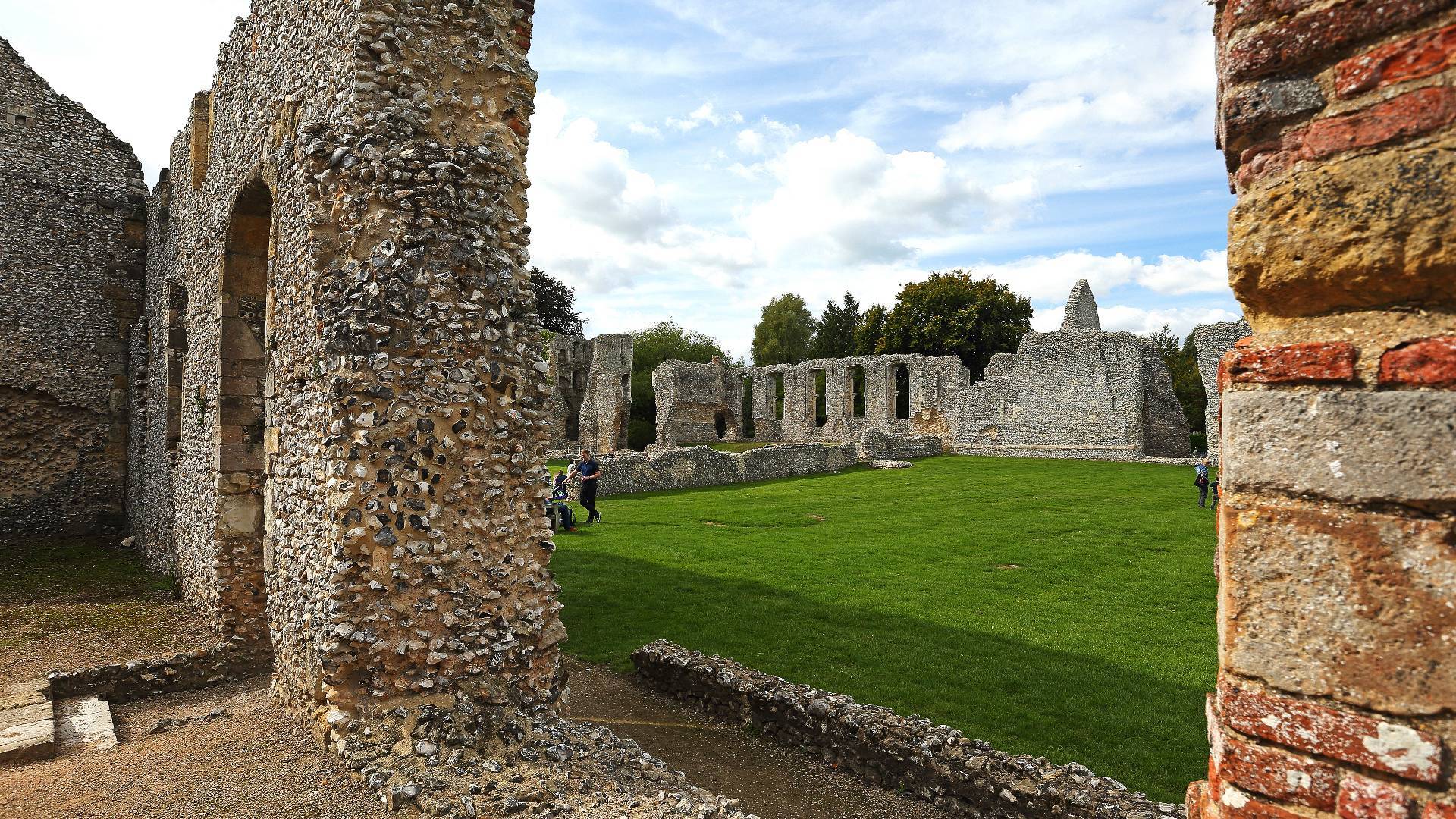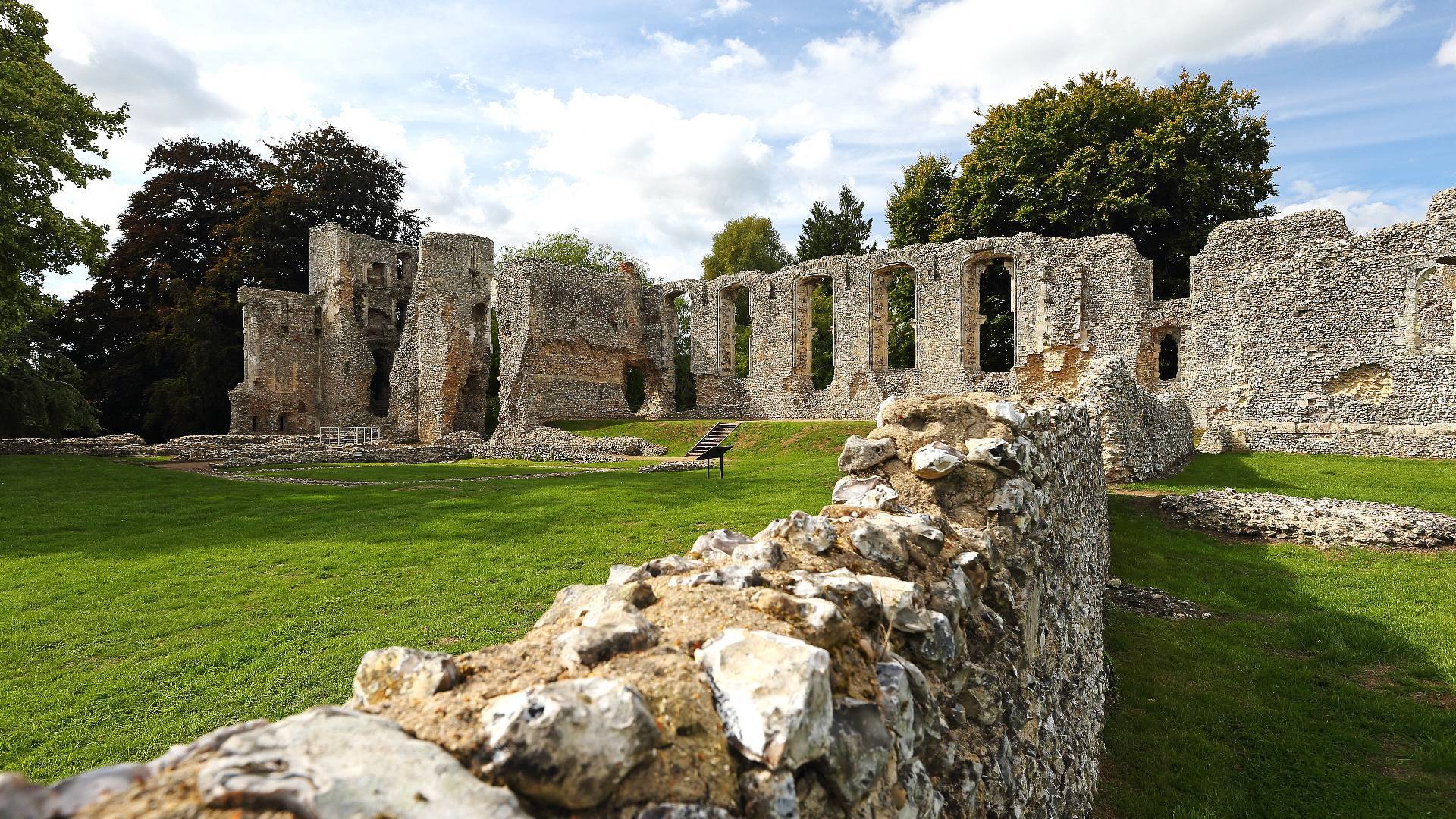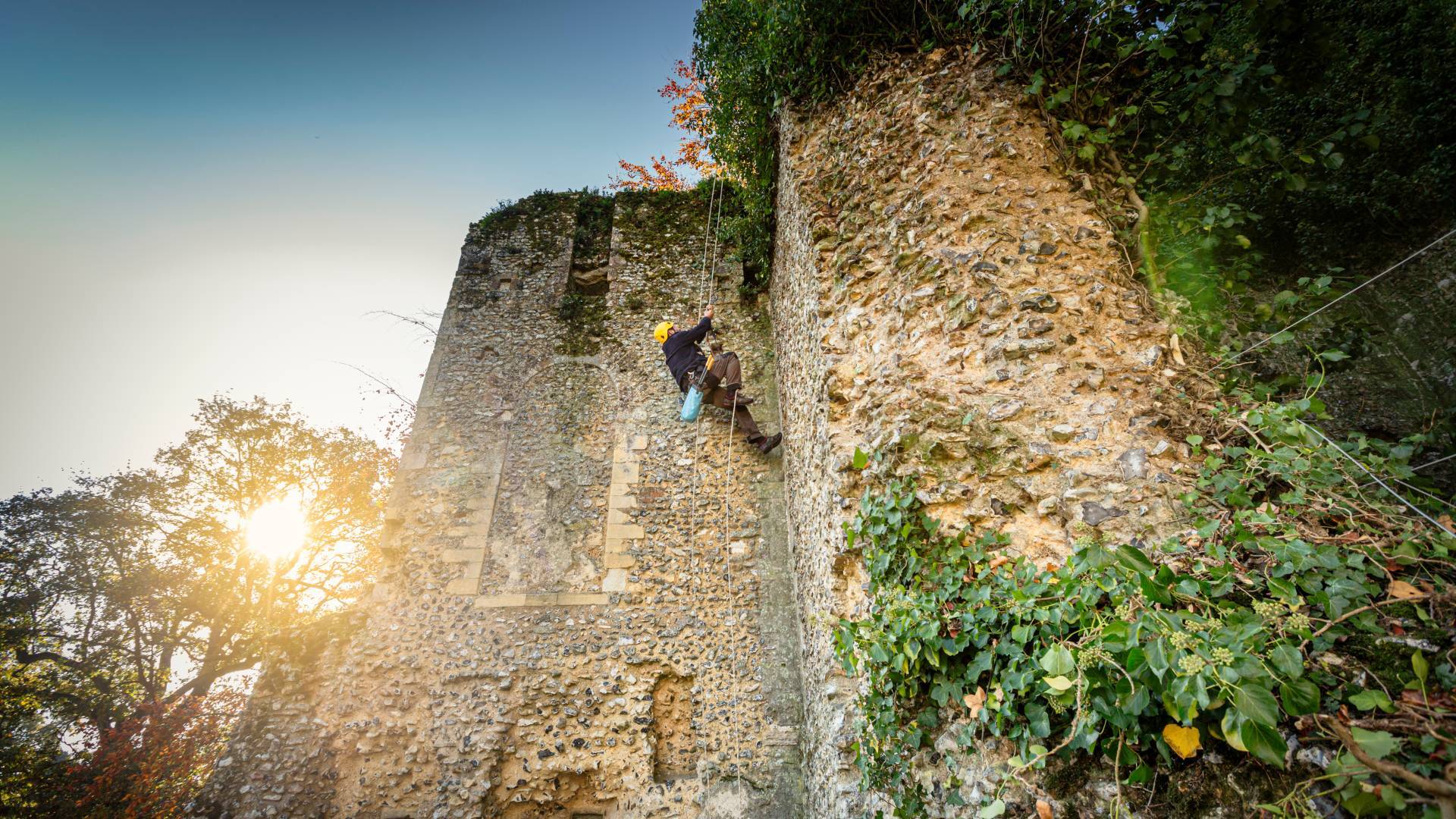
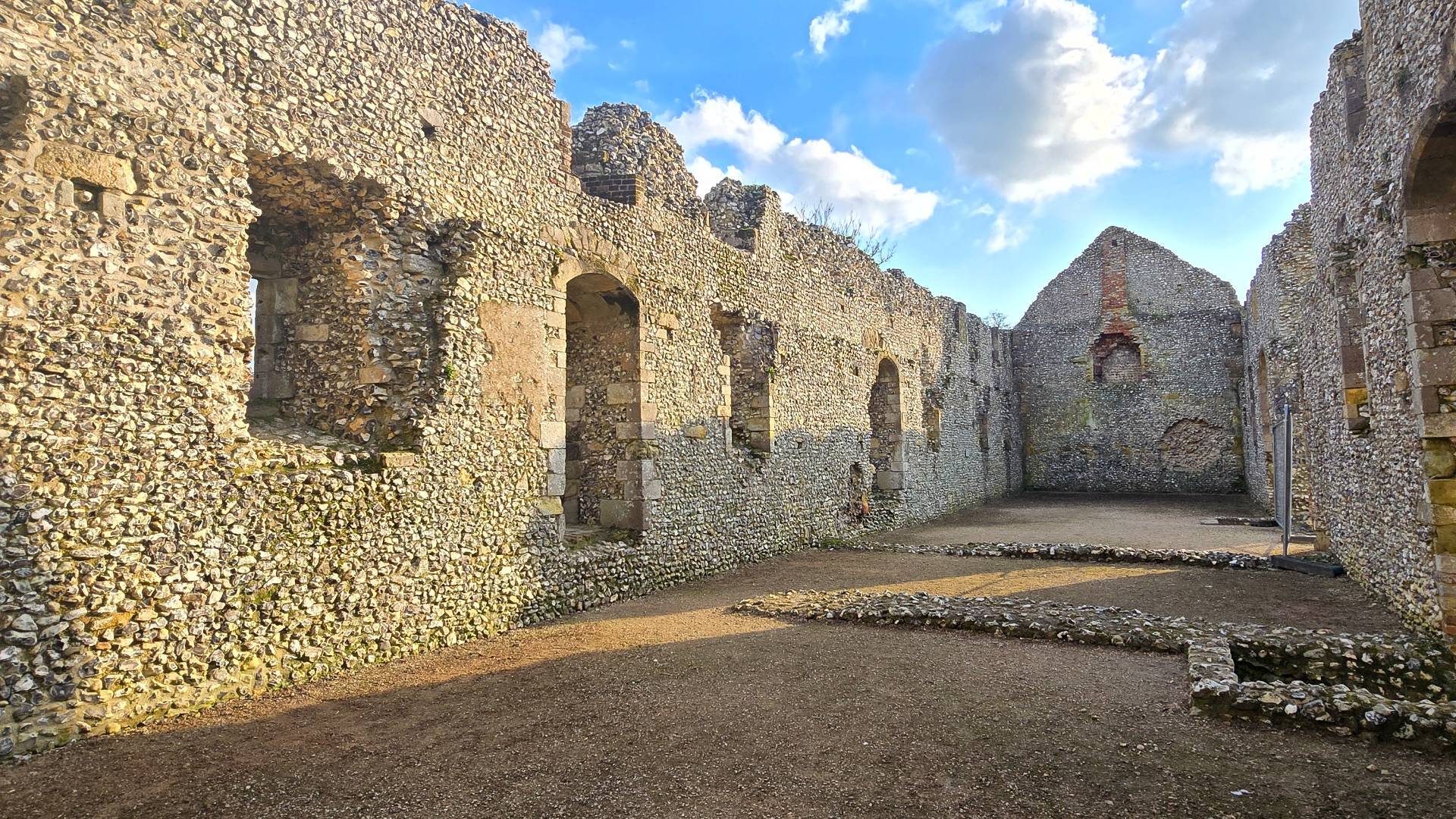
Set amongst mature trees and bounded by a shallow moat, the ruins of Bishop’s Waltham Palace are among the most significant historic landmarks in Hampshire. The site reveals layers of history dating back to the 12th century and offers a fascinating insight into England’s ecclesiastical and political past.
Historic England states that ‘historic places are sites of lived experience, memory and social relationships’ which can have a significant effect on those who live near them. They represent a tangible link to the past, supporting a sense of continuity over time and acting as an ‘anchor’ of collective identity. Studies also show that such places can offer a restorative quality, evoking positive emotions and reducing stress and anxiety.
Set amongst mature trees and bounded by a shallow moat, the ruins of Bishop’s Waltham Palace are among the most significant historic landmarks in Hampshire. The site reveals layers of history dating back to the 12th century and offers a fascinating insight into England’s ecclesiastical and political past.
The first palace is believed to have been constructed in the 1130s by Bishop Henry of Blois, brother of King Stephen and grandson of William the Conqueror. During the civil war between Stephen and Matilda, Bishop Henry changed allegiance more than once and, when Henry II ascended the throne in 1154, the bishop was forced into exile. Henry II ordered the destruction of his castles and palaces, including Bishop’s Waltham.
Although little is known of this first structure, excavations in the mid-20th century revealed small stone buildings beneath the great hall, likely dating from this period. When Bishop Henry returned from exile in 1158, he began rebuilding the palace. Parts of the south and west ranges still incorporate 12th century masonry, and the Romanesque chapel crypt may also date from this early phase.
During the Middle Ages, Bishop’s Waltham Palace became one of the finest residences of the Bishops of Winchester, who were among the richest churchmen in Europe. The palace was extended significantly, becoming grand enough to host the king and his court.
In 1378, Bishop William of Wykeham—Chancellor to Edward III and Richard II—commissioned extensive remodelling. His chief mason, William Wynford, oversaw works including the rebuilding of the great hall, service areas, kitchen and great chamber, creating more modern accommodation.
Following his death in 1404, Cardinal Henry Beaufort continued the palace’s development. A key political figure who served three times as Lord Chancellor, Beaufort spent considerable time at Bishop’s Waltham. He raised the west tower by an additional storey in 1408, built a new chapel begun in 1415, and later commissioned a new inner gatehouse and lodgings in 1438.
Further 15th century alterations were carried out by Bishop Thomas Langton, who rebuilt parts of the north range in brick and added structures within the outer court. The impressive garden walls are also thought to date from his time.
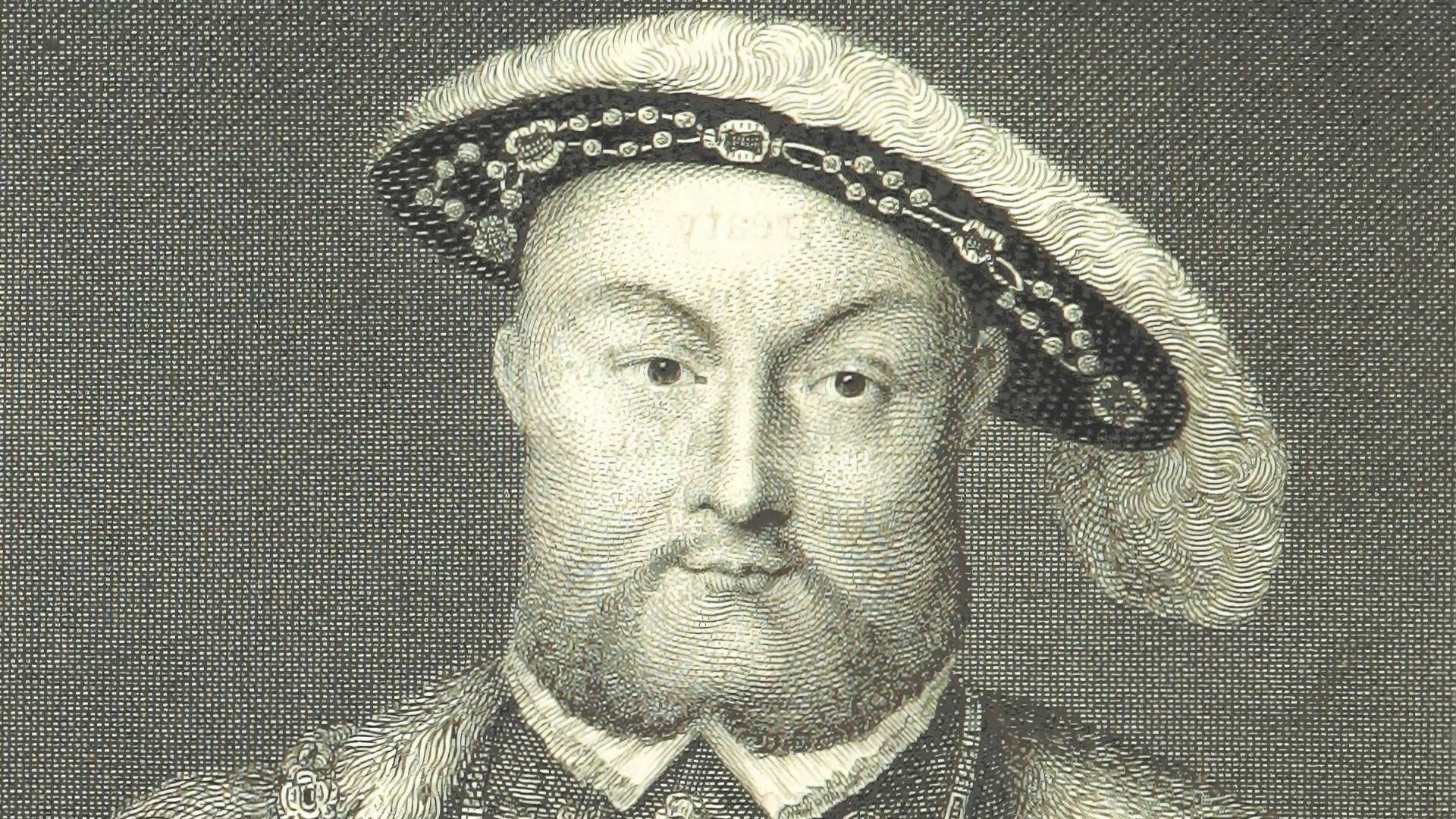
In the Tudor period, the palace remained an important residence and was frequently visited by Henry VIII. It was here that Henry and the Holy Roman Emperor, Charles V, agreed a treaty forming an alliance against France.
During the reign of Edward VI, the palace passed from ecclesiastical ownership to the Crown and was granted to Lord Treasurer William Paulet. Edward VI himself described it as ‘a fair old house, in times past of the Bishop of Winchester.’
In 1554, Queen Mary I met Philip of Spain at Bishop’s Waltham shortly before their wedding in Winchester Cathedral. A few years later, the palace was returned to the Bishops of Winchester.
The English Civil War marked the palace’s decline. In 1644, it was held for the king by a garrison of 200 men under Colonel Bennett. After a prolonged siege, it fell to Parliamentary forces and was largely destroyed soon afterwards.
Bishop Walter Curle, who was present at the time, is said to have escaped hidden in a dung cart. Within days of its capture, the palace was reported to be ‘in ashes.’ By the time it was returned to the bishops in 1660, it was already a ruin and was subsequently abandoned, with materials taken for use elsewhere in the town.
In the early 19th century, parts of the palace were leased to the Poor Law Trustees and incorporated into a farm. Later, ownership passed to the Ecclesiastical Commissioners and then to Sir William Jenner, a distinguished physician.
Another notable resident was Admiral Cunningham, one of Britain’s most prominent naval commanders during the Second World War. He later transferred the ruins into state care.
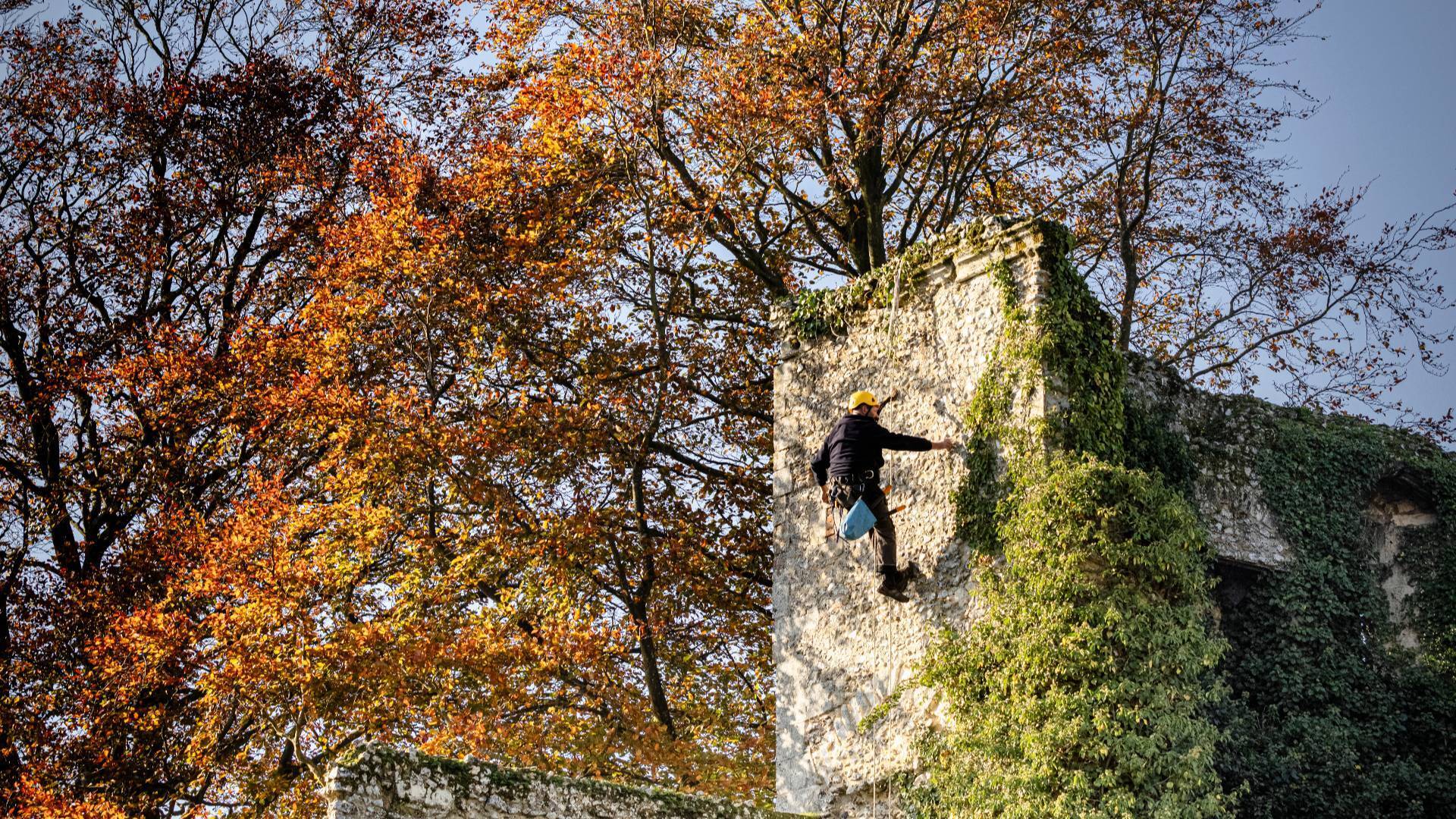
Restoration and preservation works carried out between 1952 and 1971 stabilised the remaining structures and revealed previously buried features, including the chapel, crypt and cloisters. The site was later opened to the public, with a museum established to interpret its history.
Today it is possible to visit the Palace, although Palace House and the grounds around it remain private. Opening times are available on the English Heritage website at www.english-heritage.org.uk/visit/places/bishops-waltham-palace/opening-times/
Today it is possible to visit the Palace, although Palace House and the grounds around it remain private. Opening times are available on the English Heritage website at www.english-heritage.org.uk/visit/places/bishops-waltham-palace/opening-times/
Beechcroft has carried out many restoration and conversion projects focusing on buildings of historic or architectural interest but the company’s new Abbey Mill Place development in Bishop’s Waltham is situated in one of the most historic locations of all – right next to the Bishop’s Palace and overlooking South Pond.
If you’d like to learn more about living in this unique setting, you can explore Abbey Mill Place or get in touch for further details.
Photo 1 of 1
12 March 2026
Discover how the flexible hall space in Beechcroft apartments can be styled as a dining room, library, study or welcoming hallway…
Read more11 March 2026
How the Brexit 90/180-day rule affects UK citizens with second homes in Europe. Learn visa rules, Schengen limits and tips for…
Read more5 February 2026
Whatever your taste or your budget, you can find somewhere to dine out in Windsor. From Michelin starred restaurants to smart restaurants…
Read more