How the Brexit 90/180-day rule affects UK citizens with second homes in Europe. Learn visa rules, Schengen limits and tips for staying longer in Spain, France, Italy and Portugal.
Having spent many years working and being limited to a few weeks’ annual holiday, many of us over the age of 50 look forward to retirement and spending several months of the year abroad. There’s something immensely appealing about swapping the dreary English winter for the sunnier climes of Spain or Portugal or for skiing in Italy, Austria or Switzerland. In countries such as Spain, France, Italy, Greece and Portugal, there are so many opportunities to immerse oneself in Mediterranean culture, enjoy an outdoor lifestyle and the best of European cuisine.
In 2021-2022, approximately 809,000 second homes were owned by households in England and 40% of these, in the region of 323,60, were located in European countries.
For those wanting to spend time abroad or even buy a holiday home abroad, things were made far more complicated by Brexit. Even those who currently own a second home in Europe are finding things more challenging.
After Brexit, as a UK citizen, you can only travel to countries in the Schengen Area for up to 90 days in any 180-day period without a visa for tourism or business purposes.
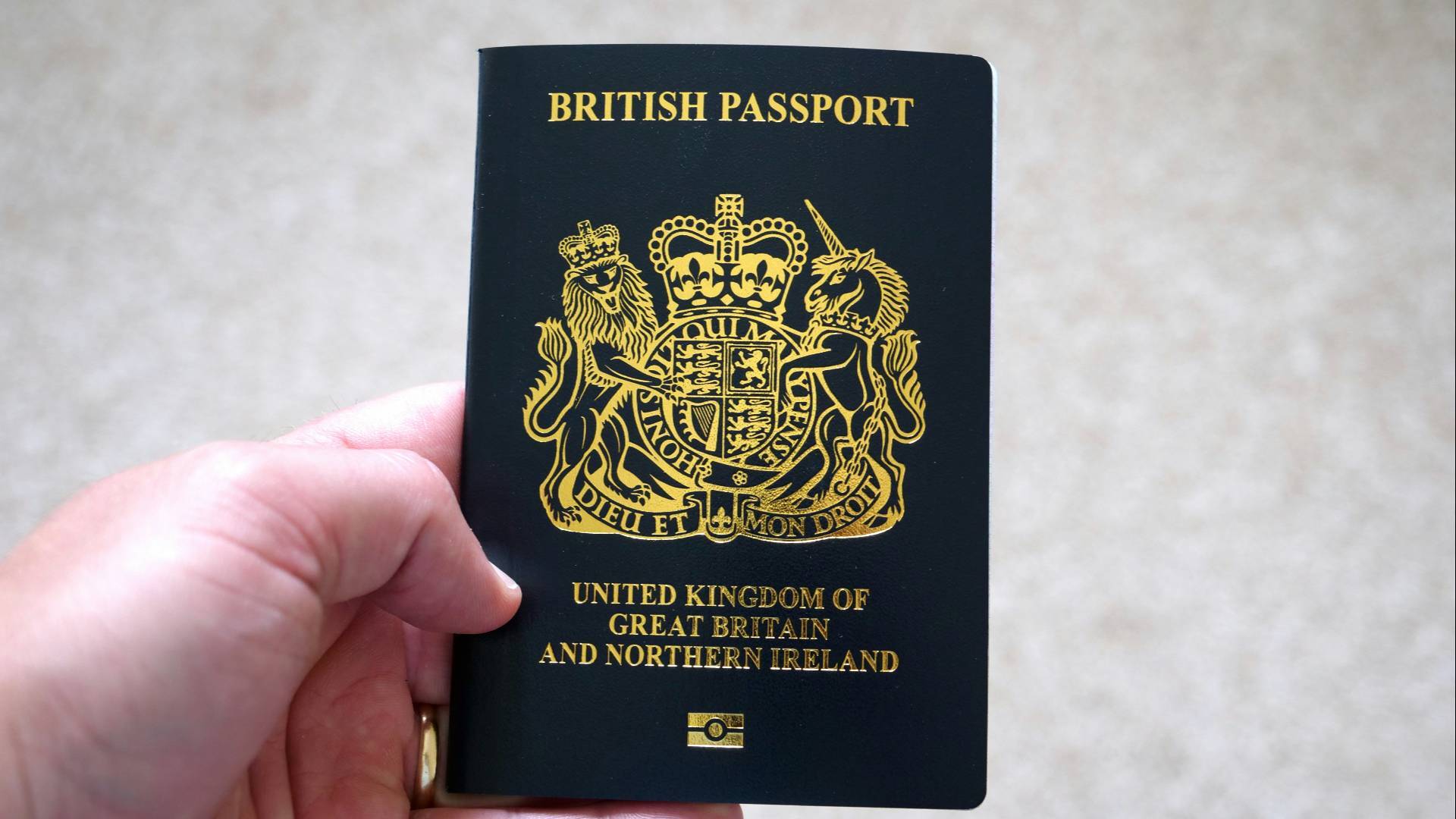
You also need a valid passport to travel and it is important to note that your passport must have been issued within the last 10 years before the date you travel into the Schengen Area and it must be valid for at least 3 months (90 days) after the date you plan to leave – although the advice is to ensure that your passport remains valid for 6 months after the date you plan to leave.
Simply stated, the 90-day rule means that you can only spend 90 days in Europe, which equates to just over 12 weeks in a 180-day period. This 180-day period can be very confusing, however, as it isn’t a fixed period but more of a ‘rolling window.’
If you’re planning a long trip or a stay at your second home, you need to look back at the last 180 days from the day you plan to enter another European country. Within that time, you cannot have spent more than 90 days in the Schengen Area. The days on which you enter and leave the Schengen Area are counted as full days.
For example:
The best way to calculate your days in the Schengen Area is to use one of the free online calculators. Take a look at www.schengenvisainfo.com/calculator which will help you track your stay.
Whilst a European Travel Information and Authorisation System Visa (ETIAS) is not currently needed when travelling to European countries, it is set to come into force towards the end of 2026. It will cost about 20 euros a person and is an entry visa that will allow British passport holders to enter 30 European countries for short-term stays, holidays or business trips but the 90/180 day rule will still apply.
There are 29 countries in the Schengen Area including:
Tips to Manage the 90-day rule.
Since Brexit, British citizens owning second homes in Europe are, like all travellers, limited to 90 days within any 180-day period without a visa. This has led to significant restrictions for those who wish to have a lifestyle shared between the UK and Europe. For those who have residency in another European country, do check the taxation rules because, for example, those with Spanish residency who break the 183-day rule – that is spending more than 183 days in that country – will become tax residents and forced to pay tax on their worldwide income/assets.
UK citizens can stay in France for up to 90 days without a visa. Any longer stay requires a long stay visa. If you want to live in France as a UK citizen you must apply for a long-stay visa and then a residency permit (Carte de Sejour). You must have proof of sufficient financial resources to support yourself.
The 90-day rule applies to UK citizens, who can only stay for 90 days in any 180 day period unless they have a specific visa.
A Spain Long Stay Visa would allow you to stay for over 90 days. You would need a long-term visa and, upon arrival, you’d have to obtain a TIE (foreign resident car) within 30 days to legalise your stay. If you intend to stay for more than six months, you would be required to secure a long-term residence permit or long-term visa. The type of visas include:
Do take care, however, UK residents who have Spanish residency and stay more than 183 days in any one year become tax residents and have to pay tax on their worldwide assets.
After Brexit, UK retirees wishing to live in France must apply for a long-term stay visa that allows them to stay for more than 90 consecutive days in a 180-day period. The most suitable visa for retirees is the ‘Visa de Long Sejour valant Titre de Sejour. (VLS-TS Visiteur). The application process requires a lot of paperwork, proof of sufficient income, healthcare coverage and proof of accommodation. After obtaining the VLS-TS card, retirees must validate their visa online within three months to formalise their resident status. It is always advisable to contact English speaking professionals in France or speak to the UK Government and the British Embassy in Paris.
UK retirees living in France are subject to French tax on their worldwide income, including UK pensions, as they are in Spain. French income tax rules and social charges may apply depending on circumstances. In 2026, a number of UK pensioners in France received bills running into thousands of euros because they didn’t understand how UK pension income is taxed once you live in France. Different pension types, social charges, healthcare status, and the UK–France double taxation treaty all interact, and one small mistake can trigger a costly assessment. It’s important to ensure that you are fully aware of the rules and regulations.
Italy follows the Schengen 90/180 day rule for short stays. If you wish to stay for longer or live in Italy then you need to apply for an Elective Residency Visa, also known as an Italian Retirement Visa, designed for those with independent income, a UK passport and proof that that they have a place to live once they move to Italy. It is important also to have health insurance in place and to provide documentary evidence of status such as birth or marriage certificates. You must also have a clean criminal record. It is important to consult an Italian solicitor based in the UK to assist with this.
You need proof that you have an income of at least £27,000 a year, £33,600 for a married couple and a further 20% for each dependent. With an elective residence visa you are not permitted to undertake any paid work so your income must be provided by pensions. You may need to be interviewed by the Italian authorities (and often the interview is in English). If you wish to remain in Italy, it is a long process – you have to live in Italy legally and continuously for at least five years.
Anyone who lived and retired in Italy before Brexit, does not need to apply for a residence permit.
Yes, if you are a UK citizen travelling to Europe. On 12 October 2025, British travellers to Europe have to provide fingerprints and take facial scans when entering European countries. Your fingerprints and face will be scanned, often on a machine and at border control when entering and exiting European countries. You will have to do this each and every time you enter a European country, even if you are returning to a country for the second or third time in the same year.
Although some countries offer Golden Visas for those investing in property, it is worth checking the regulations for each separate country and bearing in mind that regulations may have changed even since going to print.
In Spain, individuals are considered tax residents if they spend more than 183 days in Spain in any one calendar year. This is the Spanish 183-day rule. This means you will be subject to Spanish income tax, including wealth tax and inheritance gift tax. Spain taxes residents on all income regardless of source so, if you are a UK citizen, your work in the UK, your rental properties, your international investment dividends, your pension income and capital gains from assets anywhere in the world. Spanish tax rates range from 19% to 47& depending on income level and the region. Make sure you don’t stay more than 180 days in any year if you want to avoid this. If you stay less, and are a non-resident for tax purposes, you will not be liable for Spanish taxes on the UK or global income. Non-residents are subject to a Non-Resident Imputed Income Tax annually but not on global income. If you are planning to stay longer in any other European country, do check the regulations.
Yes. As a UK dual citizen, you must use your British passport to enter and leave the UK. You can, however, use your other passport when entering that country or if it offers visa-free access elsewhere. From February 2026, dual nationals using a foreign passport without separate evidence of British citizenship risk being denied boarding before departure so take BOTH passports with you when you travel.
A growing number of retirees are looking to lock-up-and-leave, spending time abroad in second homes or just travelling to those places, they never managed to get to during their working lives. Research by Booking.com revealed that the top 10 destinations for over 65s including New Zealand, Japan and Australia, which challenges the stereotype that only the young head off for global adventures. Spain, Portugal, Greece, Italy and Cyprus are the most popular destinations closer to home.
At Beechcroft, a proportion of home buyers over the age of 55 choose to downsize to a home that’s easy to maintain so that they have fewer concerns when they travel or spend time abroad. It’s important to have a home that doesn’t require much maintenance and to have someone who will check on your home to make sure that everything is in good order. Whilst your home insurance will cover you for a short stay away from home, this is not always the case if you’re away for an extended period of time.
Beechcroft has much to offer anyone looking to lock up and leave. We select our locations with care, ensuring that you have everything you need from shops and services to beautiful countryside on hand, making your life more enjoyable whilst you’re at home. Many of our developments are within easy reach of transport hubs, making travel so much easier.
Our elegant homes are also easy to maintain and, with an on-site Estate Manager to handle the upkeep of the landscaped setting and private gardens, you’ll never have to worry about coming home to a knee-deep lawn or flowerbeds full of weeds. The Estate Manager is also happy to check on your home whilst you’re away, to make sure the post is stowed away out of sight and to put the heating on and make sure everything is ready for your return.
12 March 2026
Discover how the flexible hall space in Beechcroft apartments can be styled as a dining room, library, study or welcoming hallway…
Read more5 February 2026
Whatever your taste or your budget, you can find somewhere to dine out in Windsor. From Michelin starred restaurants to smart restaurants…
Read more4 February 2026
Make this easy sweet and sour sauce recipe UK style with crispy chicken, peppers and pineapple. A quick homemade fakeaway that…
Read more